
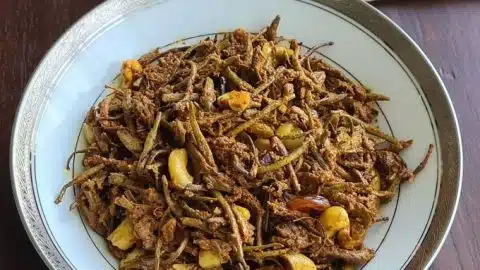
India’s regional cuisines are deeply influenced by geography, climate, and local produce. One such remarkable example is ker sangri, a unique dish that originates from the arid regions of Rajasthan. Made from desert beans and berries, this preparation reflects resilience, tradition, and rich culinary heritage.
At Saagar, we proudly bring this rare and authentic recipe to our menu, preserving its original taste while presenting it with refined balance.
What Is Ker Sangri?
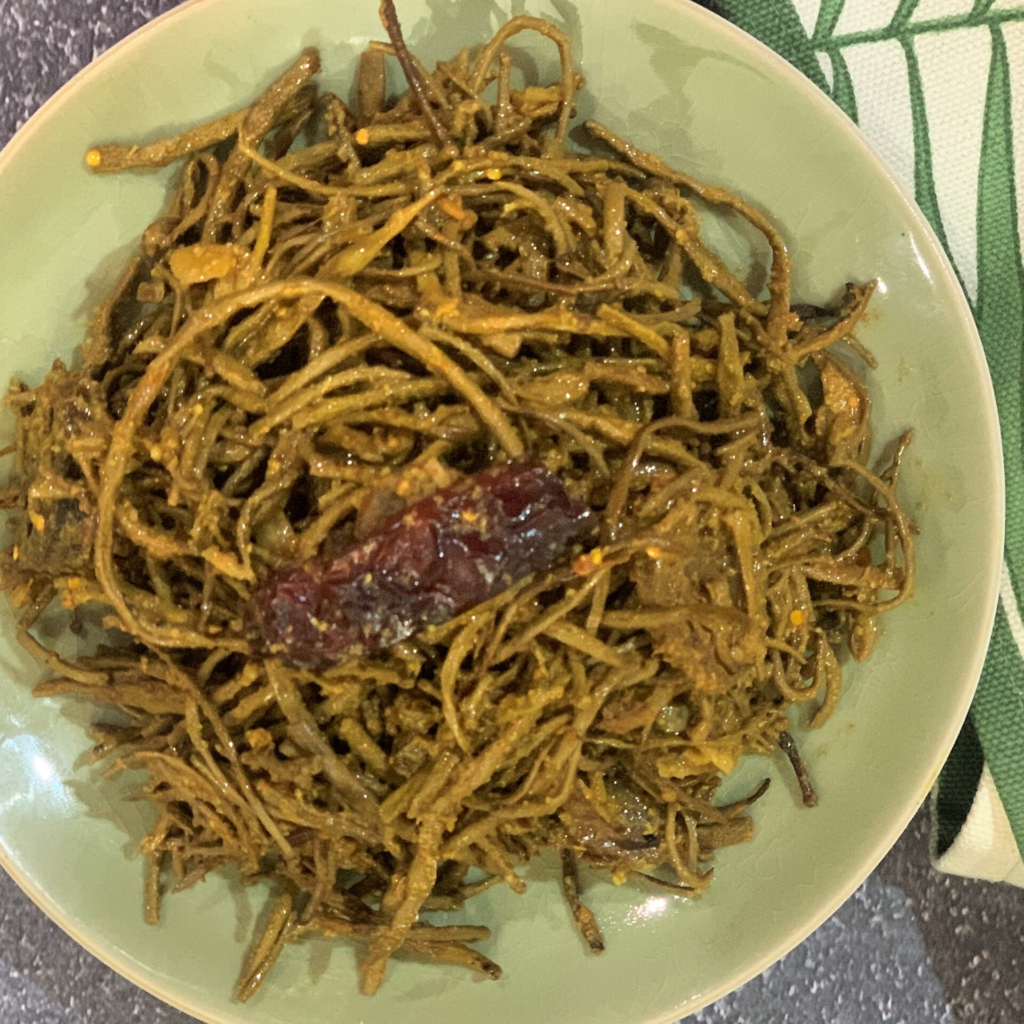
Keer sangri is a traditional Rajasthani vegetable dish prepared using dried ker berries and sangri beans, both native to desert landscapes. These ingredients are sun-dried to extend shelf life and later rehydrated for cooking. The dish is known for its tangy, earthy flavor and is typically cooked without onion or garlic, making it suitable for a wide variety of preferences.
Often referred to as ker sangri ki sabzi or ker sangri sabji, this dish holds a special place in festive and ceremonial meals in Rajasthan.
In desert regions where fresh vegetables are scarce, communities developed ingenious ways to preserve local produce. Ker and sangri are harvested seasonally, dried, and stored for year-round use. Over generations, this practice evolved into a celebrated recipe that represents sustainability and resourcefulness.
Ker sangrri is commonly served during weddings, festivals, and traditional thalis, symbolizing hospitality and cultural pride.
Ingredients That Define the Recipe
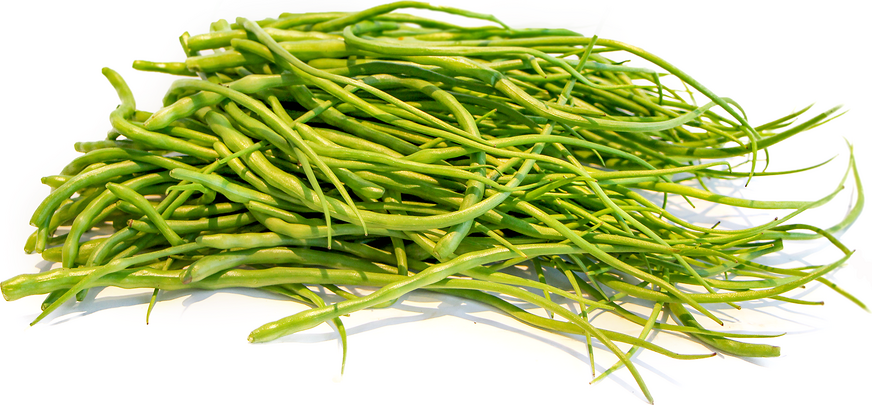
The distinct taste of ker sangri comes from its simple yet powerful ingredients. A classic preparation includes:
- Dried ker berries
- Dried sangri beans
- Mustard oil
- Cumin seeds
- Dried red chilies
- Coriander powder
- Red chili powder
- Amchur (dry mango powder)
- Asafoetida (hing)
- Salt
The use of mustard oil adds sharpness, while amchur provides the signature tangy finish that balances the earthy notes.
Ker sangri offers a bold combination of tangy, spicy, and slightly bitter flavors. The ker berries provide a mild sourness, while the sangri beans add a chewy, hearty texture. Unlike creamy gravies, this dish is dry and robust, making it an excellent accompaniment to Indian breads.
The spice blend is assertive but not overwhelming, allowing the natural taste of the ingredients to shine.
How Ker Sangri Is Prepared
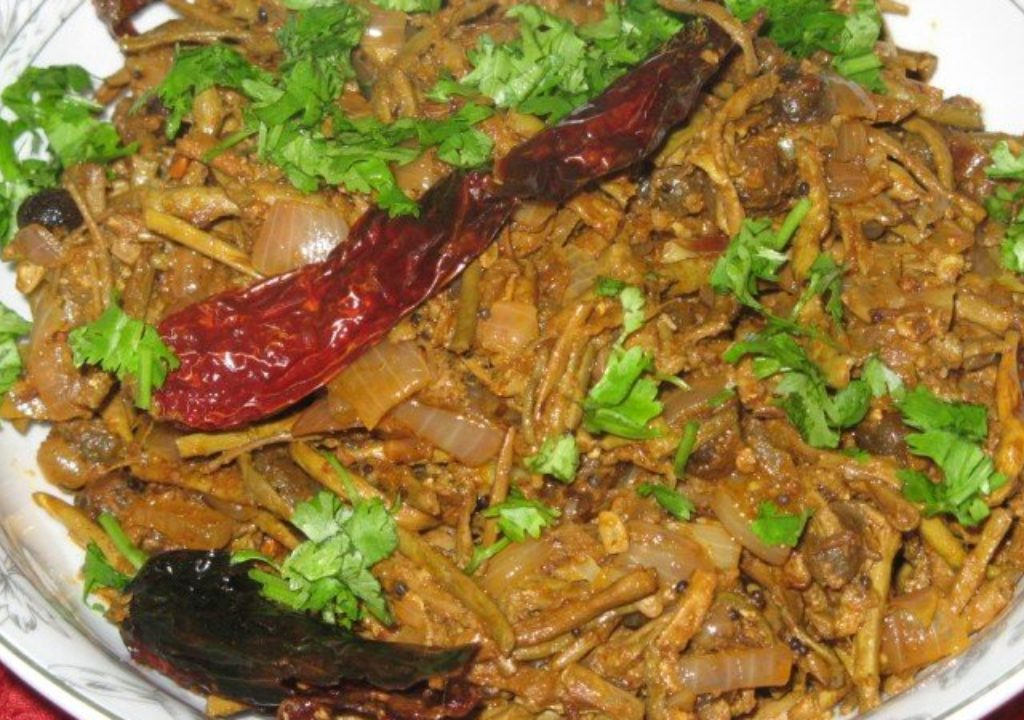
Many diners are curious about how to make ker sangri the traditional way. The process begins by soaking dried ker and sangri in water for several hours, followed by thorough rinsing to remove bitterness.
The soaked ingredients are then boiled separately until tender. In a pan, mustard oil is heated, and cumin seeds and dried chilies are added. The ker and sangri are sautéed with spices, amchur, and hing until well coated and aromatic. The dish is cooked slowly to allow flavors to develop fully.
This careful method is what gives ker sangri ki sabzi its authentic taste.
People often ask how to make ker sangri sabzi that tastes authentic. The key lies in proper soaking, boiling, and spice balance. Skipping these steps can result in bitterness or uneven texture. Traditionally, no tomatoes or onions are added, keeping the dish true to its roots.
At Saagar, our chefs follow time-tested techniques to ensure consistency and authenticity in every serving.
Nutritional Value and Practicality
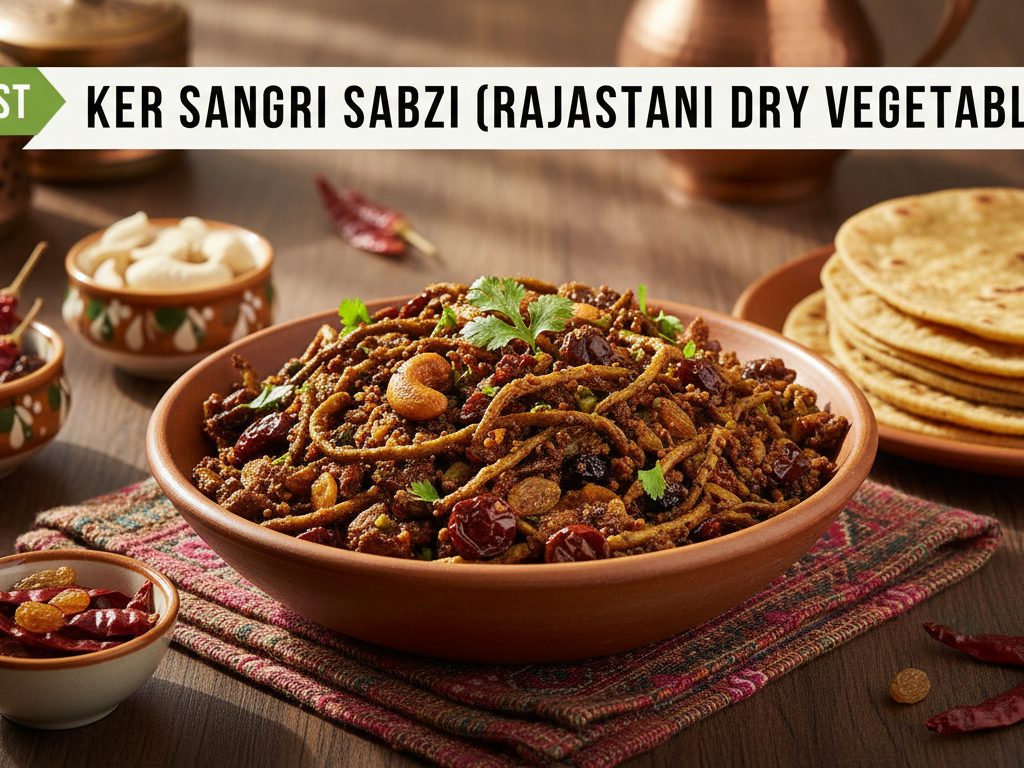
Ker sangri is not only flavorful but also nutritious. Sangri beans are high in protein and fiber, while ker berries are known for their antioxidant properties. Since the ingredients are dried, the dish is also valued for its long shelf life, which historically made it ideal for desert living.
Because of its uniqueness, ker sangri price may be slightly higher than common vegetables, reflecting the effort involved in harvesting and preparation.
At Saagar, we believe in showcasing India’s lesser-known culinary treasures. Our ker sangri preparation stays true to its Rajasthani origins while being approachable for modern diners. We use premium-quality ingredients, authentic spices, and traditional cooking methods to deliver a dish that feels both rustic and refined.
Served as part of a complete meal, it adds depth and variety to the dining experience.
Best Ways to Enjoy Ker Sangri
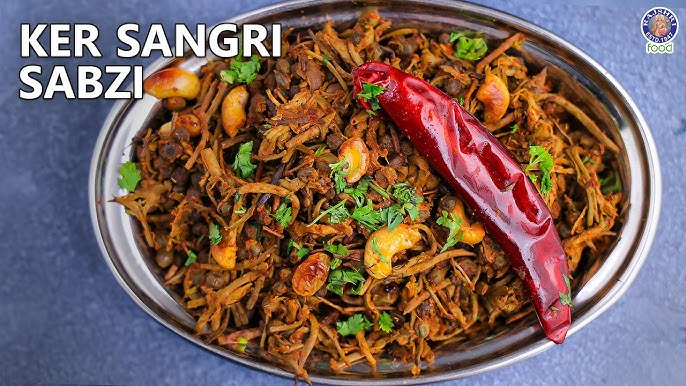
This dish pairs wonderfully with:
- Bajra roti
- Jowar roti
- Plain chapati
- Dal and rice combinations
Its dry texture and bold taste make it a perfect contrast to softer curries and lentil dishes.
Frequently Asked Questions (FAQs)
What is ker sangri?
It is a traditional Rajasthani dish made from dried ker berries and sangri beans, cooked with spices and mustard oil.
How to make ker sangri?
Soak and boil dried ker and sangri, then sauté with spices, mustard oil, and amchur until flavorful.
How to make ker sangri sabzi?
Prepare it as a dry sabzi using traditional spices, avoiding onion and garlic for authenticity.