
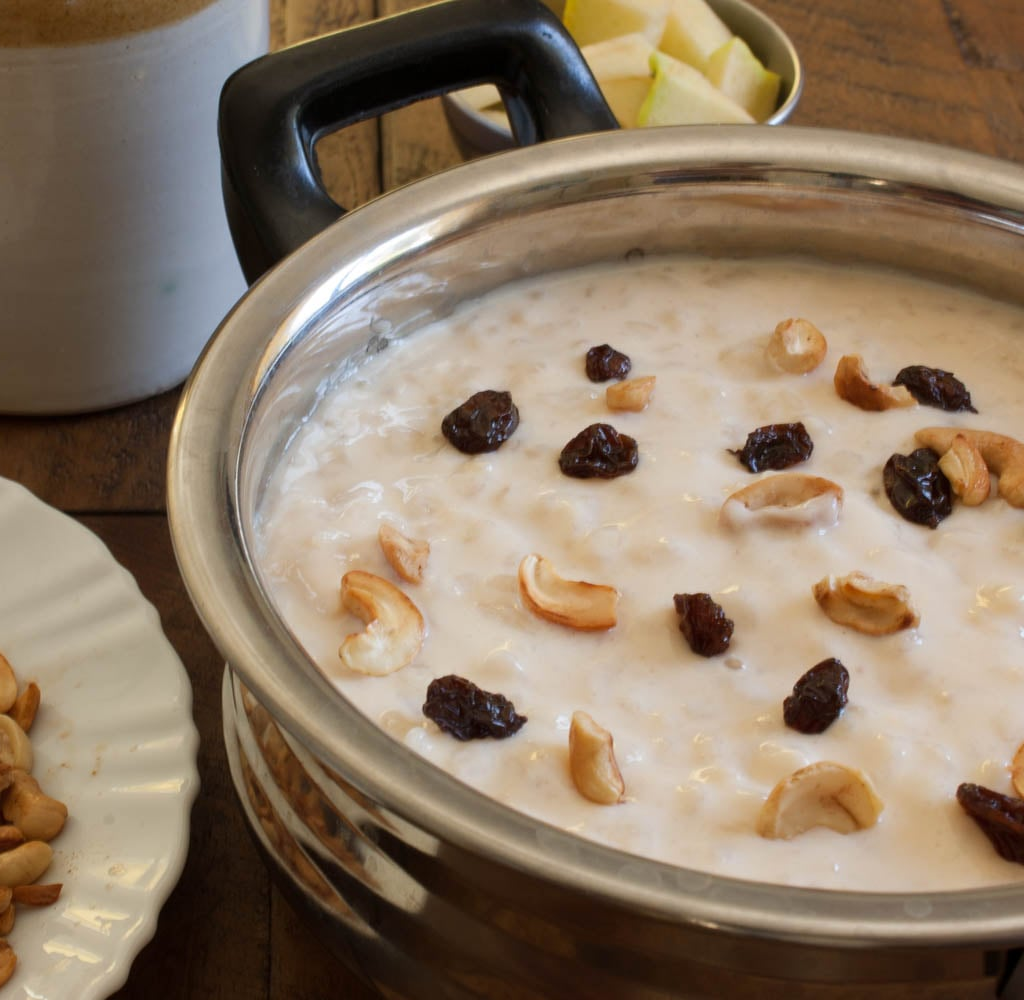
Kerala’s culinary heritage is rich with comforting and festive dishes, and among its most cherished sweets is palada payasam. Known for its creamy texture, delicate sweetness, and elegant simplicity, this dessert is a highlight of traditional celebrations, especially during Onam and wedding feasts. Its smooth consistency and subtle flavors make it a timeless favorite across generations.
At Saagar, we take pride in presenting authentic regional desserts that reflect tradition, quality, and warmth. This classic payasam embodies those values, offering guests a taste of Kerala’s refined sweet-making tradition.
What is Palada Payasam?
Palada payasam is a traditional Kerala dessert made using rice ada (thin rice flakes), milk, and sugar. Unlike jaggery-based payasams, this version is lighter in color and flavor, focusing on the richness of milk slowly simmered to creamy perfection.
The name itself comes from two Malayalam words: “pal,” meaning milk, and “ada,” referring to rice flakes. The result is a smooth, slightly thick pudding-like dessert with soft, silky ada pieces distributed throughout.
Often searched online as palada payasam near me, this dessert continues to attract sweet lovers seeking authentic South Indian flavors.
Cultural Importance
This dish holds a special place in Kerala’s festive cuisine. It is an essential component of Onam Sadya and other traditional celebrations. Served at the end of a grand feast on banana leaves, it symbolizes hospitality and joy.
Its preparation requires patience, as milk must be simmered slowly to achieve the desired richness. This slow cooking technique reflects Kerala’s culinary philosophy of care and attention to detail — values we honor at Saagar in every dish we serve.
Ingredients for Palada Payasam Recipe
The beauty of this dessert lies in its minimal yet refined ingredients.
Main Ingredients
- Rice ada (store-bought or homemade)
- Full-fat milk
- Sugar
- Ghee (optional)
Optional Flavor Enhancers
- Cardamom powder
- Cashew nuts
- Raisins
- Saffron strands
Many people prefer using palada payasam mix for convenience. While ready-made mixes simplify preparation, traditional cooking with fresh ingredients offers richer flavor and better texture.
How to Make Palada Payasam
Step 1: Prepare the Ada
If using packaged rice ada, cook it in boiling water until soft. Drain and rinse under cold water to remove excess starch.
Step 2: Boil the Milk
In a heavy-bottom pan, bring full-fat milk to a gentle boil. Reduce heat and allow it to simmer. Stir occasionally to prevent sticking.
Step 3: Add the Cooked Ada
Once the milk thickens slightly, add the cooked rice ada. Continue simmering on low flame so the ada absorbs the milk’s flavor.
Step 4: Sweeten the Payasam
Add sugar gradually and stir until dissolved. Continue cooking until the mixture thickens to a creamy consistency.
Step 5: Optional Garnish
In a separate pan, fry cashews and raisins in ghee until golden and add them to the payasam. A pinch of cardamom enhances aroma.
Step 6: Rest Before Serving
Allow the dessert to cool slightly. It thickens as it rests, achieving its signature creamy texture.
The result is a pale pink or creamy white dessert with soft rice flakes and smooth richness.
Tips for Perfect Palada Payasam
- Use full-fat milk for authentic creaminess.
- Simmer on low flame to avoid burning.
- Stir regularly to prevent milk from sticking.
- Avoid overcooking ada to maintain soft texture.
- Adjust sweetness gradually for balanced flavor.
These tips help achieve restaurant-style results with consistent texture and taste.
Using Palada Payasam Mix
For those short on time, ready-made mixes are widely available. The process usually involves boiling milk and adding the mix as directed.
While convenient, it is important to cook the mixture slowly and stir continuously to maintain smooth consistency. At Saagar, we emphasize traditional preparation methods to ensure freshness and authenticity in every serving.
Taste and Texture Profile
This dessert offers a delicate sensory experience:
- Color: Creamy white or light pink
- Texture: Smooth, velvety, with soft ada pieces
- Flavor: Mildly sweet, milky, and comforting
- Aroma: Subtle dairy fragrance with hints of cardamom
Unlike jaggery-based payasams, its sweetness is gentle and refined, making it appealing to all age groups.
Serving Suggestions
Palada payasam can be served:
- Warm as part of festive meals
- Chilled for a refreshing dessert
- In small bowls for elegant presentation
- Alongside other Kerala sweets
- As a celebratory dessert for family gatherings
Its smooth texture and mild sweetness make it ideal as a finishing dish after a flavorful meal.
Nutritional Overview
This dessert provides energy from carbohydrates and calcium from milk. Using moderate sugar ensures balanced sweetness without overpowering richness.
Because it is milk-based, it offers a comforting and satisfying finish while remaining lighter compared to heavier jaggery desserts.
Palada Payasam at Saagar
At Saagar, we focus on authentic preparation techniques that preserve traditional flavor. Carefully simmered milk, perfectly cooked ada, and balanced sweetness create a dessert that delights both visually and in taste.
Our commitment to quality ingredients and slow cooking ensures that every bowl reflects Kerala’s culinary elegance. Guests seeking traditional flavors often choose this dessert for its comforting and nostalgic appeal.
FAQs
How to make palada payasam?
Cook rice ada until soft, simmer full-fat milk, add the cooked ada, sweeten with sugar, and continue cooking until creamy.
How to make palada payasam in Malayalam?
Boil milk slowly, add cooked ada, mix sugar, simmer until thick, and garnish lightly before serving.
How to make double horse palada payasam?
Using a packaged mix such as Double Horse, boil milk and add the mix according to instructions, stirring continuously until it thickens.