
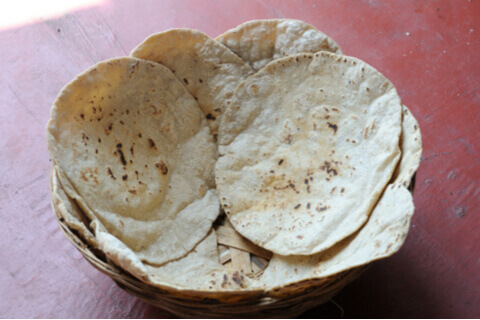
Bhakri is a traditional Indian flatbread known for its rustic taste, hearty texture, and simple ingredients. Popular in regions such as Maharashtra, Gujarat, and parts of western India, it has long been a staple in home-cooked meals. Made using flours such as jowar, bajra, or whole wheat, this flatbread pairs beautifully with curries, vegetables, chutneys, and lentils.
Whether enjoyed as part of a traditional village meal or served at a restaurant, Bhakri offers a satisfying way to experience regional Indian cuisine. Its wholesome ingredients and distinctive preparation make it a favourite among people who appreciate authentic, uncomplicated food.
What Is Bhakri?
Bhakri is a thick, rustic Indian flatbread traditionally prepared by mixing flour with water and shaping the dough into a round disc. Depending on the region and recipe, it may be made with sorghum flour (jowar), pearl millet flour (bajra), or wheat flour.
Unlike many soft, layered flatbreads, it is generally thicker and firmer. It can be cooked on a hot griddle until it develops a lightly toasted surface. Some traditional methods involve pressing the dough by hand rather than rolling it with a pin.
The flavour and texture vary according to the flour used. Millet versions often have an earthy taste, while wheat-based varieties can be slightly softer and easier to shape.
Different Types of Bhakri
Regional cooking traditions have produced several variations of this flatbread.
Jowar Bhakri
Jowar bhakri is made from sorghum flour and is popular in Maharashtra and surrounding regions. It has a mild, earthy flavour and is often served with vegetable curries, lentils, or spicy chutneys.
Bajra Bhakri
Prepared with pearl millet flour, this version has a distinctive taste and a dense texture. It is especially popular during cooler months in parts of western India and pairs well with garlic chutney, vegetables, and traditional curries.
Wheat Bhakri
Wheat-based varieties are generally easier to knead and shape. They have a familiar grain flavour and can be served with a wide range of vegetarian and non-vegetarian dishes.
Each variety offers a different culinary experience, making this flatbread a versatile part of regional Indian cuisine.
Ingredients Used in Traditional Bhakri
One reason for the enduring popularity of this bread is its simple ingredient list. Most traditional recipes require only a few basic items:
- Jowar, bajra, or wheat flour
- Water
- Salt, if desired
- A small amount of ghee or oil, depending on the recipe
Millet dough can be more delicate than wheat dough because it lacks gluten. For this reason, it is often shaped carefully by hand using a little water. The flour and preparation method determine the final texture.
Some cooks brush the cooked flatbread with ghee to add richness, while others serve it plain to complement flavourful curries and vegetables.
How Is Bhakri Prepared?
The preparation method is straightforward but requires attention to the dough’s consistency.
First, flour is placed in a bowl and mixed with water gradually until a workable dough forms. Salt may be added according to taste. The dough is then divided into small portions and shaped into round discs by hand or with a rolling pin.
Next, each disc is placed on a hot griddle. It is cooked on both sides until the surface develops toasted spots and the bread is fully cooked. The cooking time depends on the flour, thickness, and heat level.
Millet-based dough may need gentle handling to prevent cracks. With practice, the flatbread develops a pleasant texture that is firm enough to accompany rich gravies but easy to tear into pieces.
What to Serve with Bhakri
This traditional bread is especially enjoyable when served with dishes that provide moisture, spice, and contrasting textures. Popular pairings include:
- Pithla: A savoury gram-flour preparation commonly enjoyed in Maharashtra.
- Vegetable curry: Seasonal vegetables cooked with aromatic spices make a satisfying combination.
- Dal: Lentil dishes provide a comforting accompaniment.
- Garlic chutney: A bold, spicy chutney adds a punch of flavour.
- Chicken or mutton curry: The firm texture of the bread makes it suitable for scooping up rich gravies.
Pickles, fresh onions, and green chillies can also accompany a traditional meal. The best pairing depends on the type of flour used and the flavours of the main dish.
Nutritional Value and Benefits
The nutritional value of Bhakri depends on the flour, serving size, and cooking method. Versions made with jowar or bajra provide dietary fibre and various minerals, while wheat varieties offer carbohydrates and some protein.
Whole-grain and millet-based breads can be part of a balanced diet, especially when served with vegetables, lentils, and other nutrient-rich foods. However, adding generous amounts of ghee or oil increases the overall calorie content.
No single flatbread is automatically healthier for everyone. Portion size, individual dietary needs, and the foods served alongside it all contribute to the nutritional quality of a meal.
Why Try Bhakri at Saagar?
At Saagar, exploring traditional Indian food is an opportunity to appreciate the regional flavours and cooking practices that make the cuisine so diverse. A rustic flatbread such as Bhakri complements a variety of curries and vegetable dishes, offering a satisfying alternative to more familiar breads.
Its simple ingredients allow the flavours of the accompanying dishes to stand out. Whether you enjoy millet-based breads or want to discover more regional Indian specialities, it is a worthwhile addition to a traditional meal.
Conclusion
Bhakri represents the simplicity and character of western Indian home cooking. Prepared with flour, water, and a traditional cooking technique, it can be adapted to different regional tastes and paired with everything from lentils to richly spiced curries.
Its earthy flavour, hearty texture, and versatility have helped it remain popular across generations. For anyone interested in authentic Indian cuisine, discovering this traditional flatbread is a delicious way to explore the country’s regional food heritage.