
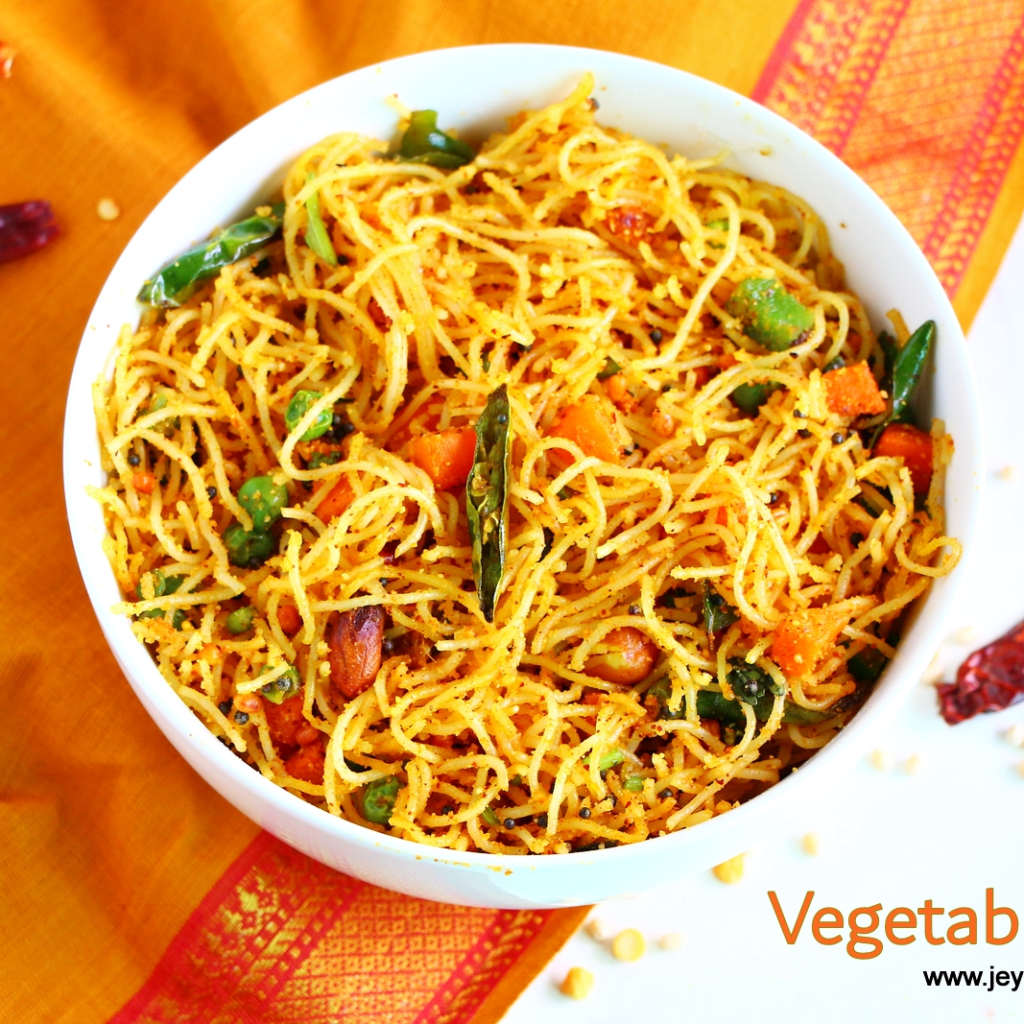
Sevai is a popular Indian dish made with thin strands of vermicelli, which can be prepared in both sweet and savoury forms. Across India, it is enjoyed for breakfast, as a festive dessert, or as a comforting snack. Depending on regional traditions, sevai can be cooked with milk and sugar, tossed with spices and vegetables, or prepared using freshly made rice noodles.
A traditional Sevai recipe is simple, versatile, and easy to adapt to different tastes. Some versions use store-bought vermicelli for convenience, while others involve preparing rice-flour dough and pressing it into delicate strands. Both methods offer delicious results when prepared with the right ingredients and cooking techniques.
What Is Sevai?
Sevai is a traditional Indian food associated with several regional cuisines. In many households, the name refers to thin noodles made from rice flour, while in other contexts it describes vermicelli used in sweet and savoury preparations.
Rice-based sevai is especially popular in parts of South India, where it may be served with coconut, lemon, spices, or sweetened milk. Vermicelli dishes are also common during festivals and family gatherings.
The ingredients and preparation methods vary by region, but sevai remains popular because it is light, adaptable, and suitable for a wide range of meals.
Ingredients for a Traditional Sevai Recipe
The ingredients depend on whether you prefer a sweet preparation or a savoury dish. For a simple savoury vermicelli version, you will need:
- 1 cup vermicelli or sevai
- 2 cups water, adjusted according to the package instructions
- 1 small onion, finely chopped
- 1 green chilli, sliced
- ½ cup mixed vegetables, such as carrots and peas
- 1 tablespoon oil or ghee
- ½ teaspoon mustard seeds
- A few curry leaves
- ¼ teaspoon turmeric powder, optional
- Salt to taste
- Fresh coriander and lemon juice for garnish
For a sweet version, you can use milk or water, sugar, cardamom, and chopped nuts instead of the savoury seasonings.
Step-by-Step Sevai Recipe
Follow these simple steps to prepare a flavourful savoury vermicelli dish at home.
Step 1: Roast the Vermicelli
Heat a dry pan over medium-low heat and add the vermicelli if it is not already roasted. Stir continuously until it becomes lightly golden and fragrant. If you are using pre-roasted vermicelli, you can skip this step.
Roasting helps improve the flavour and may reduce the chance of the strands becoming mushy during cooking.
Step 2: Prepare the Tempering
Heat oil or ghee in a pan. Add mustard seeds and allow them to crackle. Add curry leaves, green chilli, and chopped onion. Cook until the onion softens and becomes lightly golden.
This tempering creates the aromatic base that gives savoury sevai its distinctive taste.
Step 3: Add the Vegetables
Add the chopped vegetables and turmeric, if using. Cook for a few minutes until the vegetables begin to soften. You can use peas, carrots, beans, or other vegetables according to your preference.
Season with salt and mix everything well so the ingredients are evenly coated.
Step 4: Cook the Sevai
Pour in the water and bring it to a boil. Add the roasted vermicelli gradually, stirring gently to prevent clumping. Reduce the heat, cover the pan, and cook according to the packet instructions until the water is absorbed and the strands are tender.
Avoid adding too much water, as this can make the dish sticky. If necessary, adjust the amount based on the type and thickness of the vermicelli.
Step 5: Garnish and Serve
Turn off the heat and let the dish rest for a minute. Fluff the vermicelli gently with a fork, then add chopped coriander and a little lemon juice.
Serve hot for breakfast, a light lunch, or an evening snack.
How to Make Sweet Sevai
Sweet sevai is another much-loved variation, especially during festivals and family celebrations.
To prepare it, roast vermicelli in a little ghee until lightly golden. Add milk or water and cook until the strands become tender. Stir in sugar according to taste, followed by cardamom powder and chopped almonds or pistachios.
Cook gently until the flavours combine and the mixture reaches your preferred consistency. Some people enjoy sweet sevai soft and moist, while others prefer a drier preparation. Serve warm or chilled, depending on the recipe.
Tips for Perfect Sevai
A few simple techniques can improve the texture and flavour of your dish.
- Choose the right vermicelli: Rice-based Sevai recipe and wheat vermicelli have different textures, so select the type suited to your recipe.
- Roast carefully: Light roasting enhances flavour without burning the strands.
- Measure the water: Follow the package directions and adjust for the variety you use.
- Avoid excessive stirring: Once the vermicelli is added, stir gently to prevent breaking the strands.
- Season to taste: Lemon, coconut, coriander, or cardamom can change the character of the dish depending on the variation.
Popular Variations of Sevai
Sevai can be adapted to suit different regional tastes and occasions.
Lemon Sevai
Lemon juice adds a refreshing tang to rice-based noodles or vermicelli, while mustard seeds, curry leaves, and green chillies provide a savoury aroma.
Coconut Sevai recipe
Freshly grated coconut gives the dish a mild sweetness and delicate flavour. It is often combined with a simple tempering.
Vegetable Sevai
Mixed vegetables make the dish colourful and add different textures. This version is suitable for a quick breakfast or light meal.
Sweet Milk Sevai recipe
Prepared with milk, sugar, cardamom, and nuts, this comforting variation is often enjoyed as a dessert.
Nutritional Value of Sevai
The nutritional value of Sevai recipe depends on the flour used and the ingredients added. Rice-based varieties primarily provide carbohydrates, while wheat vermicelli may contain some protein and, depending on the product, more fibre.
Vegetables add vitamins and minerals, while nuts contribute healthy fats. Milk-based versions provide protein and calcium but may contain more sugar and calories. For a balanced meal, choose reasonable portions and pair savoury sevai with vegetables or another source of protein.
Why Explore Traditional Indian Food at Saagar?
At Saagar, traditional Indian dishes offer an opportunity to appreciate the country’s diverse food culture. Sevai recipe is a versatile preparation that can be enjoyed in a simple savoury form or as a sweet treat.
Its adaptable ingredients, comforting flavour, and regional variations make it an interesting dish for anyone who enjoys exploring Indian cuisine. From a quick breakfast to a festive dessert, sevai demonstrates how one traditional ingredient can create many delicious meals.
Conclusion
A good Sevai recipe combines simple ingredients with careful cooking to create a satisfying dish. Whether you prepare savoury vermicelli with vegetables and spices, lemon sevai with a fragrant tempering, or sweet sevai with milk and cardamom, the possibilities are plentiful.
By choosing the right ingredients, controlling the water, and cooking the strands gently, you can enjoy this versatile Indian favourite at home. Sevai recipe remains a wonderful part of India’s culinary traditions and a delicious option for everyday meals and special occasions alike.