
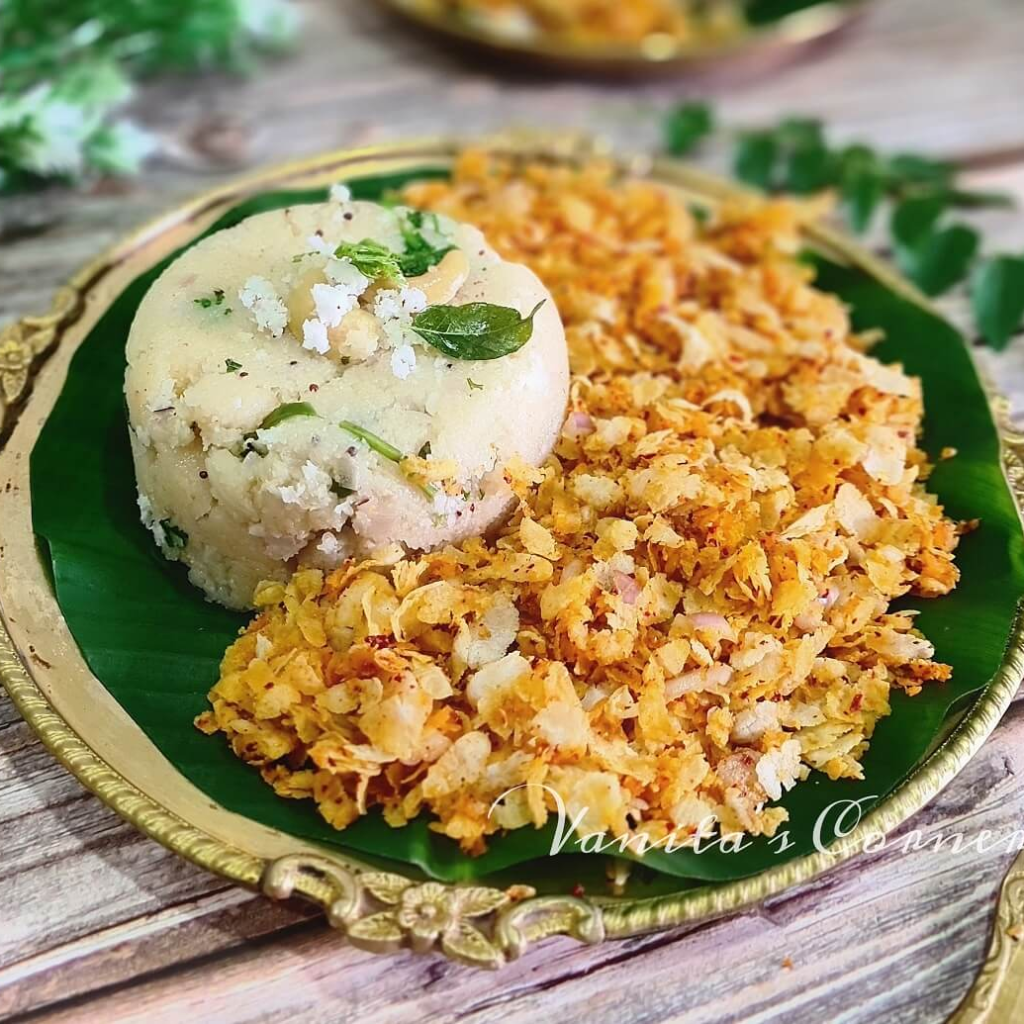
Sajjige is a traditional Indian dish made primarily with semolina, also known as rava or sooji. Popular in parts of Karnataka and coastal regions of South India, it is appreciated for its simple ingredients, comforting texture, and versatility. Depending on the recipe and local tradition, Sajjige can be prepared as a sweet dish with sugar and ghee or as a savoury preparation with spices and vegetables.
This humble dish reflects the variety of South Indian home cooking, where everyday ingredients are transformed into satisfying meals and snacks. Whether served at breakfast, during family gatherings, or as part of a festive menu, Sajjige offers a taste of regional culinary traditions.
What Is Sajjige?
Sajjige is a semolina-based preparation commonly associated with Karnataka and the coastal South Indian food culture. The term is often used for dishes made with rava, although its exact meaning and preparation can vary between communities.
In many households, Sajjige refers to a sweet semolina dish prepared by roasting rava and cooking it with water or milk, sugar, and ghee. Raisins, cashews, and cardamom may be added for extra flavour. Similar preparations are known by other names in different parts of India, including sheera and kesari, although the ingredients and techniques are not always identical.
Savoury versions also exist, using ingredients such as mustard seeds, curry leaves, chillies, and vegetables. This adaptability has helped the dish remain popular in everyday cooking.
Ingredients Used in Traditional Sajjige
The ingredients depend on whether the dish is sweet or savoury. A basic sweet version commonly includes:
- Semolina (rava or sooji): The main ingredient that gives the dish its grainy, soft texture.
- Ghee: Adds richness and a distinctive aroma.
- Sugar: Provides sweetness.
- Water or milk: Helps cook the semolina until soft.
- Cardamom: Adds a warm, fragrant flavour.
- Cashews and raisins: Provide texture and enhance the taste.
Some recipes include saffron or grated coconut, while others keep the preparation simple. The quality of the semolina and the roasting technique influence the final result.
How Is Sajjige Prepared?
Traditional sweet Sajjige is relatively easy to prepare, although attention to heat and liquid proportions helps produce a smooth texture.
Step 1: Roast the Semolina
Heat a little ghee in a heavy-bottomed pan. Add the semolina and roast it over low to medium heat, stirring continuously. Continue until it becomes fragrant and slightly changes colour, taking care not to burn it.
Proper roasting gives the dish a pleasant aroma and helps the grains cook evenly.
Step 2: Prepare the Liquid
In a separate pan, heat water or milk. The amount of liquid depends on the texture you prefer and the type of semolina used. If you want a richer preparation, milk can replace some of the water.
Step 3: Cook the Semolina
Carefully add the hot liquid to the roasted semolina, stirring continuously to prevent lumps. Reduce the heat and allow the grains to absorb the liquid. Keep stirring until the mixture becomes soft and thick.
Step 4: Add Sugar and Flavourings
Mix in sugar and continue cooking until it dissolves. Add cardamom powder for fragrance. If the mixture becomes too thick, a small amount of hot water or milk can help adjust the consistency.
Step 5: Garnish and Serve
Lightly fry cashews and raisins in a little ghee, then mix them into the finished dish. Serve the Sajjige warm for a comforting dessert or snack.
Sweet and Savoury Variations of Sajjige
One of the most appealing features of this dish is that it can be adapted to different tastes.
Sweet Sajjige
Sweet Sajjige combines roasted semolina, ghee, sugar, and cardamom. Nuts and raisins are common additions, making it suitable for family gatherings and festive meals. Depending on the recipe, it may be soft and spoonable or firm enough to hold its shape.
Savoury Sajjige
Savoury preparations use semolina cooked with water, vegetables, and aromatic seasonings. Mustard seeds, curry leaves, green chillies, and onions can add flavour. Some versions resemble upma, a familiar South Indian breakfast dish, though regional naming conventions vary.
Coconut Sajjige
In some coastal preparations, coconut is included to add a gentle sweetness and distinctive flavour. The exact method depends on local and family traditions.
What Is the Difference Between Sajjige and Kesari?
Sajjige and Kesari share semolina as a key ingredient, and their names can overlap depending on the region. Sweet Sajjige is often associated with a simple semolina preparation, while Kesari commonly includes sugar, ghee, and sometimes saffron or food colouring that gives it a golden-orange appearance.
However, the distinction is not universal. Ingredients, names, and preparation methods differ across South Indian communities, so the terms may refer to similar dishes in some places.
When Is Sajjige Served?
Sajjige is suitable for many occasions because it uses accessible ingredients and can be prepared in a relatively short time. Sweet versions may be served after meals, during religious or family celebrations, or as an afternoon treat.
Savoury versions are often enjoyed at breakfast or as a light meal. They can be paired with coconut chutney, pickles, or other traditional accompaniments. Its versatility makes it a useful addition to a varied Indian menu.
Nutritional Value of Sajjige
Semolina provides carbohydrates and some protein, making it an energy-rich ingredient. The nutritional value of Sajjige depends on the recipe and serving size. Ghee and nuts contribute fat, while sugar increases the carbohydrate and calorie content of sweet versions.
For a more balanced meal, savoury Sajjige can include vegetables. In sweet preparations, adjusting the amount of added sugar and ghee can change the overall nutritional profile. As with other rich or carbohydrate-based dishes, portion size matters.
Why Explore Traditional Indian Food at Saagar?
At Saagar, discovering traditional Indian dishes is an opportunity to experience the regional variety of the country’s cuisine. Sajjige is a good example of how a simple ingredient such as semolina can be transformed into different dishes through local cooking methods.
Whether prepared sweet with cardamom and nuts or savoury with spices and vegetables, it offers a comforting taste of South Indian food traditions. Its simple ingredients and adaptable preparation make it an interesting dish for anyone exploring regional Indian cuisine.
Conclusion
Sajjige is a versatile semolina-based dish with a strong connection to South Indian home cooking, particularly in Karnataka and coastal communities. Its sweet and savoury variations demonstrate how regional recipes can create different flavours and textures from everyday ingredients.
With roasted semolina, carefully balanced liquid, and flavourings such as ghee, cardamom, or spices, Sajjige can be enjoyed at breakfast, as a snack, or as a dessert. It remains a comforting example of India’s diverse culinary heritage.