
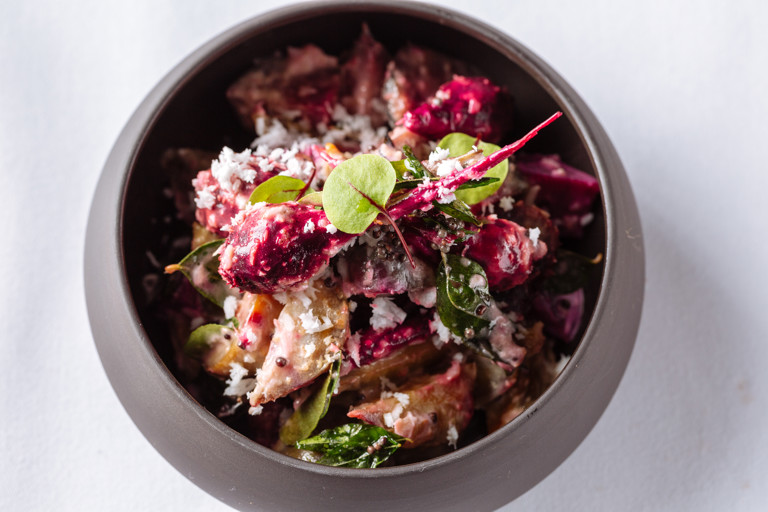
Beetroot poriyal is a traditional South Indian vegetable dish known for its vibrant colour, mild sweetness, and simple preparation. Made with finely chopped or grated beetroot, aromatic spices, grated coconut, and a few everyday ingredients, it is a popular accompaniment to rice-based meals. Its balance of earthy flavours and gentle seasoning makes it an appealing choice for people who enjoy fresh, home-style Indian food.
This dish is especially associated with South Indian cooking, where poriyal refers to a dry vegetable preparation seasoned with spices and often finished with coconut. Beetroot brings a natural sweetness and beautiful colour to the dish, while curry leaves, mustard seeds, and green chillies add depth and fragrance.
What Is Beetroot Poriyal?
Beetroot poriyal is a dry-style vegetable preparation commonly enjoyed in Tamil Nadu and other parts of South India. It is prepared by cooking beetroot with a simple tempering of mustard seeds, urad dal, dried or fresh chillies, and curry leaves. Freshly grated coconut is often added near the end to enhance the flavour and texture.
Unlike rich gravies or creamy curries, this dish generally uses little oil and allows the natural taste of the vegetable to remain noticeable. It is commonly served alongside steamed rice, sambar, rasam, or other traditional dishes.
Recipes can vary from one household to another. Some cooks prefer finely diced beetroot, while others grate it for a softer texture and quicker cooking time.
Ingredients Used in Beetroot Poriyal
One of the best features of this dish is its short list of ingredients. Each ingredient contributes to its characteristic taste.
Beetroot
Fresh beetroot is the main ingredient. Its earthy flavour, natural sweetness, and deep red-purple colour give the dish its distinctive appearance. The vegetable can be finely chopped, diced, or grated depending on personal preference.
Grated Coconut
Fresh coconut adds a mildly sweet, creamy texture that complements beetroot. It is usually stirred in towards the end of cooking to preserve its flavour.
Mustard Seeds and Urad Dal
Mustard seeds provide a sharp, nutty aroma when they crackle in hot oil. Urad dal adds a light crunch and is frequently used in South Indian tempering.
Curry Leaves and Green Chillies
Curry leaves bring a fragrant, herbal note, while green chillies add a gentle heat. The quantity can be adjusted to suit different tastes.
Turmeric, Salt, and Oil
A small amount of turmeric may be used for additional colour and flavour. Salt enhances the natural sweetness of the beetroot, while oil helps cook the spices and vegetables evenly.
How to Make Beetroot Poriyal
Preparing this South Indian side dish at home is straightforward. Follow these general steps for a flavourful result.
Step 1: Prepare the Beetroot
Wash, peel, and finely chop or grate the beetroot. Smaller pieces cook more quickly and evenly, while grated beetroot creates a softer texture.
Step 2: Prepare the Tempering
Heat a little oil in a pan. Add mustard seeds and allow them to crackle. Add urad dal, followed by chopped green chillies and curry leaves. Stir briefly until fragrant, taking care not to burn the ingredients.
Step 3: Cook the Vegetable
Add the prepared beetroot, salt, and a small pinch of turmeric if desired. Mix everything thoroughly. Cover the pan and cook over low to medium heat until the beetroot becomes tender.
Beetroot releases some moisture during cooking, but a small splash of water can be added if necessary. Stir occasionally to prevent sticking.
Step 4: Add Coconut
Once the beetroot is tender, stir in freshly grated coconut. Cook for another minute or two, then turn off the heat. The finished dish should be moist but not watery.
What Does Beetroot Poriyal Taste Like?
Beetroot poriyal has a distinctive combination of earthy sweetness, gentle spice, and fragrant coconut. The beetroot remains the main flavour, while mustard seeds and curry leaves provide a savoury aroma.
Green chillies introduce a mild heat that balances the vegetable’s sweetness. Coconut softens the overall flavour and adds a pleasant texture. Depending on how the beetroot is cut and cooked, the dish may be slightly firm or soft and tender.
Its bright colour also makes it an attractive addition to a traditional Indian meal.
Health Benefits of Beetroot Poriyal
Beetroot contains useful nutrients, including folate, potassium, and dietary fibre. It also provides naturally occurring compounds called betalains, which contribute to its characteristic colour.
When prepared with moderate amounts of oil and salt, this dish can be a practical way to include vegetables in everyday meals. Coconut adds flavour and texture, although it also contributes fat and calories.
The nutritional value depends on portion size and the recipe used. Beetroot poriyal should be viewed as one component of a balanced diet rather than a treatment for any health condition.
What to Serve with Beetroot Poriyal
This versatile side dish pairs well with several South Indian staples, including:
- Steamed rice: A simple base that complements the vegetable’s sweetness.
- Sambar: A lentil-based preparation that adds a savoury, tangy element.
- Rasam: A light, spiced broth that creates contrast with the dry vegetable dish.
- Curd rice: A cooling accompaniment that balances the seasoning.
- Chapati: An alternative serving option for a simple vegetarian meal.
These combinations allow the dish to fit into both everyday lunches and more complete South Indian meals.
Enjoy South Indian Cuisine at Saagar
At Saagar, exploring Indian cuisine means discovering the ingredients and cooking traditions that make regional dishes distinctive. South Indian food is particularly known for its use of rice, coconut, curry leaves, lentils, and aromatic tempering techniques.
Beetroot poriyal reflects this simple yet flavourful approach. Its colourful appearance, vegetable-based ingredients, and gentle seasoning make it an appealing example of traditional home-style cooking. Guests can check Saagar’s current menu for available vegetable sides and regional specialities.
Conclusion
Beetroot poriyal is a colourful South Indian side dish that combines tender beetroot, aromatic spices, and grated coconut in a simple preparation. Its mildly sweet flavour and versatility make it a suitable accompaniment to rice, sambar, rasam, and other Indian favourites.
Whether prepared at home or enjoyed as part of a traditional meal, it offers an easy way to appreciate the flavours of South Indian cooking.