
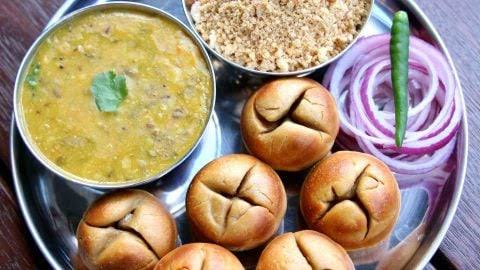
Batti is a traditional Indian food known for its rustic flavour, hearty texture, and simple preparation. Made primarily with wheat flour, this baked or roasted bread is associated with regional Indian cooking and is often enjoyed alongside lentils, curries, and chutneys. Its firm exterior and soft interior make it a satisfying addition to a traditional meal.
Depending on the region, Batti may be prepared in different shapes and sizes. Some versions are closely associated with Rajasthani cuisine, where it is served with dal and ghee, while other regional preparations use different ingredients and cooking techniques. The dish reflects the importance of simple grains and traditional cooking methods in Indian food culture.
Whether enjoyed as part of a complete meal or served with a flavourful curry, Batti offers a comforting taste of traditional Indian cuisine.
What Is Batti?
Batti is a traditional wheat-based bread prepared by shaping dough into small portions and cooking them until firm and golden. It is particularly associated with Rajasthan and the wider northwestern Indian culinary tradition.
The dish is commonly made with wheat flour, salt, water, and ghee. Some recipes include carom seeds or other seasonings to improve the aroma and flavour.
Bati is often served with dal, making it a popular combination in traditional Indian meals. The bread absorbs the flavours of the lentils and accompanying spices, creating a satisfying dining experience.
Although Batti is sometimes confused with Baati, the spelling and preparation can vary by region. In many Rajasthani food contexts, the terms refer to the same or closely related traditional bread.
Ingredients for Batti Recipe
The following ingredients can be used to prepare a traditional-style Batti at home.
For the Dough
- 2 cups whole wheat flour
- 2 tablespoons ghee
- ½ teaspoon salt
- ½ teaspoon carom seeds, optional
- Water as required
For Serving
- Ghee
- Dal or lentil curry
- Fresh coriander leaves
- Chutney, optional
Whole wheat flour provides the main structure of the bread. Ghee adds richness and helps create a slightly crisp texture.
Carom seeds introduce a mild, aromatic flavour, while salt enhances the taste of the dough.
How to Make Batti
Preparing Batti involves making a firm dough, shaping it into small portions, and cooking the pieces until they become golden and thoroughly prepared.
Step 1: Prepare the Dough
Place the wheat flour in a large mixing bowl.
Add salt, carom seeds if desired, and ghee.
Mix the ingredients until the ghee is distributed throughout the flour.
Gradually add water and knead until a firm, smooth dough forms.
Unlike soft roti dough, Batti dough is generally kept relatively firm so the shaped pieces maintain their structure during cooking.
Cover the dough and allow it to rest for approximately 15–20 minutes.
Step 2: Shape the Batti
Divide the dough into equal portions.
Roll each portion between your palms to create a small ball.
Flatten the balls slightly and make a small indentation in the centre if desired.
The pieces should be similar in size so they cook evenly.
Avoid making them excessively large because the centre may take longer to cook.
Step 3: Prepare the Oven
Preheat the oven to approximately 180–200°C.
Arrange the shaped dough portions on a baking tray, leaving enough space between them.
Bake until the outside becomes firm and lightly golden.
Turn the pieces during cooking if necessary to help them brown evenly.
The exact cooking time depends on their size and the oven being used.
Step 4: Cook Until Thoroughly Prepared
Continue baking until the Batti develops a firm exterior and is cooked through.
The outside should become lightly crisp, while the inside should remain firm but not raw or doughy.
If the pieces are browning too quickly, reduce the oven temperature slightly and continue cooking.
A traditional preparation may also use a tandoor, charcoal, or another roasting method. These techniques can produce a different aroma and texture.
Step 5: Add Ghee
Once the Batti is cooked, remove it from the oven.
Brush the pieces with ghee or serve them with a small amount of melted ghee.
The warmth allows the ghee to coat the surface and enhance the flavour.
Some traditional serving styles also involve breaking the bread into pieces before adding ghee and dal.
What Does Batti Taste Like?
Batti has a rich wheat flavour with a firm, satisfying texture.
The outside is usually slightly crisp, while the interior remains dense and hearty.
Ghee adds a buttery aroma and smoothness, making the bread more flavourful.
If carom seeds are included, they provide a mild herbal taste that complements the wheat flour.
The flavour is relatively simple compared with heavily spiced curries. This makes Batti an excellent accompaniment because it absorbs the taste of dal, chutney, and other dishes.
Its rustic texture is one of the reasons it remains popular in traditional Indian cooking.
Best Ways to Serve Batti
Batti can be served with several traditional Indian dishes.
With Dal
Dal is one of the most popular accompaniments.
The lentil curry provides moisture and flavour, while the firm bread creates a satisfying contrast.
A serving of warm dal with ghee-coated Batti makes a traditional and filling meal.
With Ghee
Ghee enhances the natural flavour of wheat flour.
It can be brushed over freshly prepared Batti or served separately for dipping.
With Chutney
Mint chutney or another traditional Indian condiment adds freshness and a tangy flavour.
This combination works especially well when Batti is served as part of a larger meal.
With Vegetable Curry
Batti can also be enjoyed with vegetable preparations.
A flavourful potato curry, mixed vegetable dish, or seasonal Indian sabzi can complement its firm texture.
Batti and Traditional Indian Food Culture
Batti reflects the traditional food culture of Rajasthan and other regions where wheat-based breads are important.
In many households, it is prepared using simple ingredients that are readily available.
The bread is particularly associated with meals featuring dal, ghee, and regional accompaniments.
Its preparation also reflects traditional cooking techniques, including roasting and baking, which have been used for generations.
Different communities may prepare Batti using slightly different ingredients or cooking methods. These variations demonstrate how regional food traditions evolve while maintaining familiar flavours.
Is Batti Nutritious?
Batti provides carbohydrates from wheat flour and can contribute energy to a meal.
Whole wheat flour also contains dietary fibre and nutrients such as iron and B vitamins.
Ghee adds fat and increases the overall calorie content.
The nutritional value depends on the flour used, portion size, and amount of ghee added.
Serving Bati with dal or vegetables can provide a more balanced combination of carbohydrates, protein, and other nutrients.
People following specific dietary requirements should consider the ingredients and preparation method.
Enjoy Traditional Indian Food at Saagar
Batti is a satisfying choice for people who enjoy traditional Indian breads and rustic regional flavours.
Its simple ingredients, hearty texture, and versatility make it suitable for lunch or dinner.
Guests visiting Saagar can check the current menu for availability and explore suitable accompaniments such as dal, vegetable curry, or chutney.
Conclusion
Batti is a traditional Indian wheat flour delicacy that combines simple ingredients with a distinctive roasted texture.
Its firm exterior, hearty flavour, and versatility make it a popular accompaniment to dal, ghee, and regional curries.
Whether prepared in an oven or using traditional roasting techniques, Bati offers a comforting taste of Indian culinary heritage.
For anyone exploring traditional Indian breads, this rustic dish is a delicious addition to a satisfying meal.
Suggested Category: Indian Food / Indian Breads