
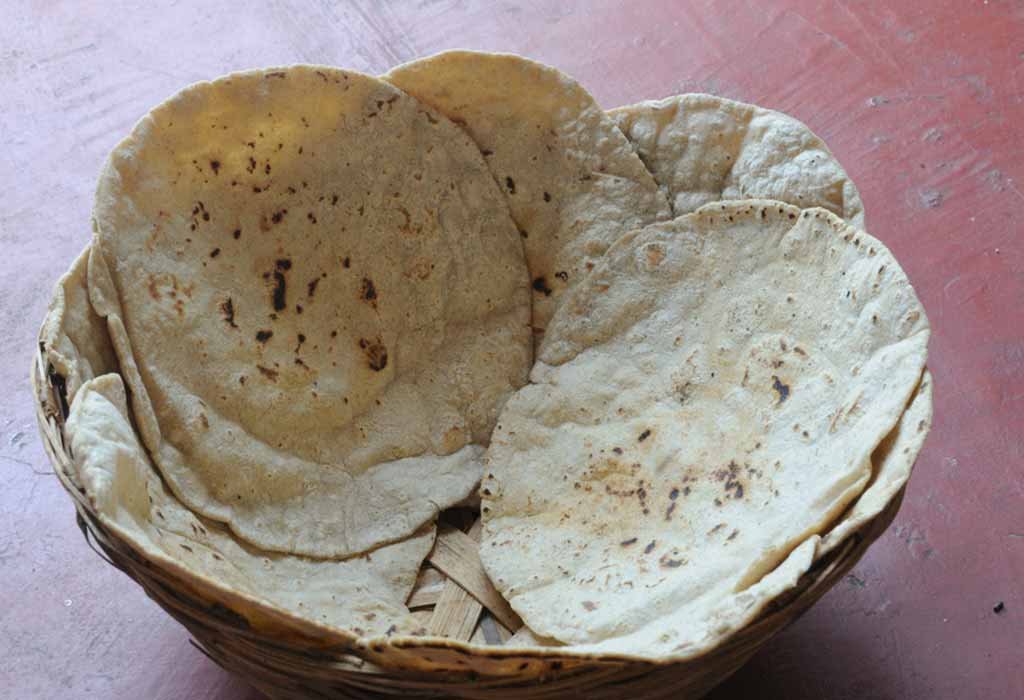
At Saagar, we believe that traditional Indian food carries both flavor and wisdom passed down through generations. One such timeless staple is jowar roti, a flatbread that has been enjoyed across India for centuries. Simple in preparation yet rich in nourishment, this roti reflects the essence of rustic cooking and balanced eating.
With growing awareness around wholesome grains, many diners are rediscovering this traditional bread for its taste, texture, and nutritional value. Whether paired with vegetables, lentils, or slow-cooked curries, it offers a satisfying and authentic dining experience.
What Is Jowar Roti?
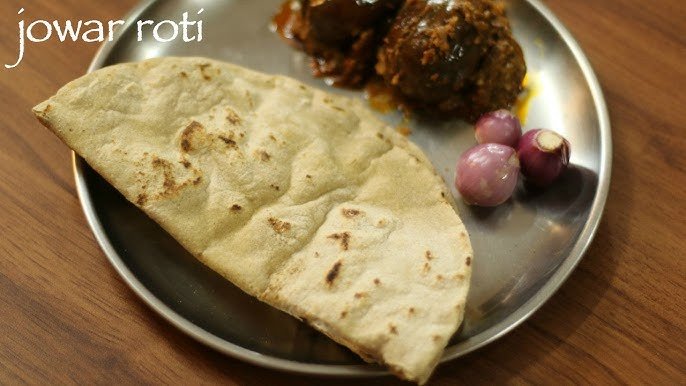
Jowar roti, also known as jowar ki roti, is a flatbread made from sorghum flour. Sorghum, called jowar in India, is a traditional grain cultivated in dry regions and valued for its resilience and nutrition. Unlike wheat-based breads, this roti has a slightly earthy flavor and soft-yet-firm texture when prepared correctly.
Traditionally cooked on a hot griddle without oil, it has been a staple in many Indian households, especially in Maharashtra, Karnataka, and parts of central India.
Jowar Roti Benefits for Everyday Meals
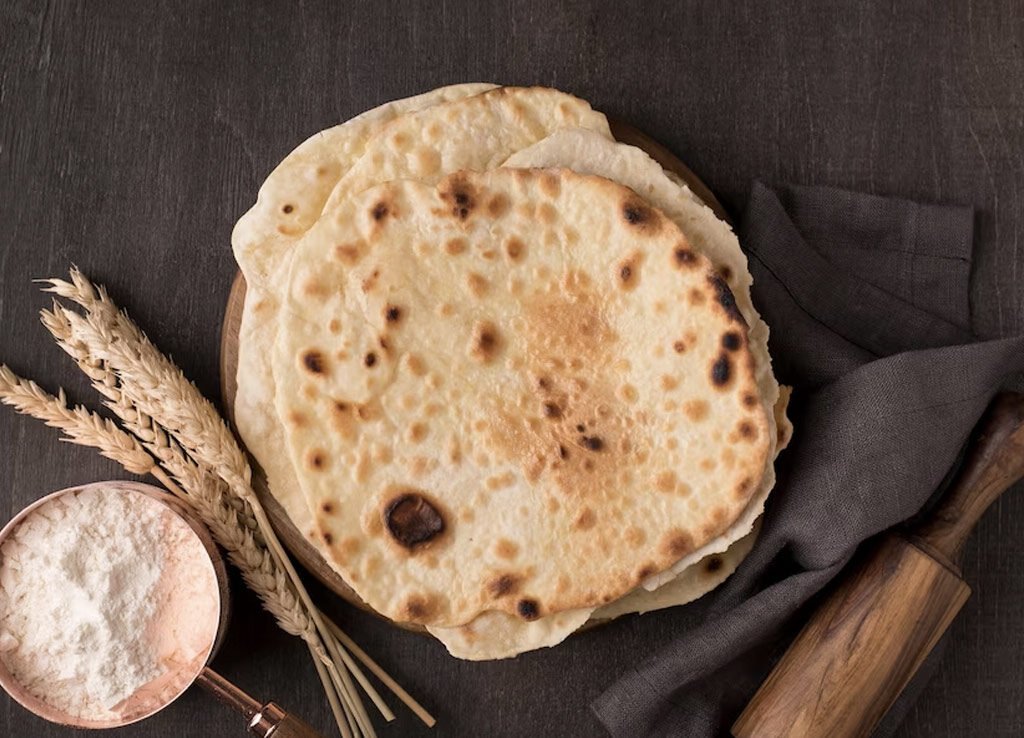
One of the main reasons this bread continues to remain relevant today is its nutritional profile. The jowar roti benefits make it suitable for people seeking wholesome and traditional food options.
Some of its key benefits include:
- High in dietary fiber, supporting digestion
- Naturally gluten-free
- Helps maintain steady energy levels
- Contains essential minerals like iron and magnesium
- Keeps you feeling full for longer
Because of these qualities, this roti fits well into balanced meals without feeling heavy.
Calorie awareness is important for many diners today. On average, 1 jowar roti calories range between 90 and 110, depending on size and thickness. These jowar roti calories come from complex carbohydrates that release energy slowly.
This makes it a filling option that supports portion control. Many people prefer it over refined breads because it offers nourishment without unnecessary heaviness.
How Jowar Roti Is Made Traditionally
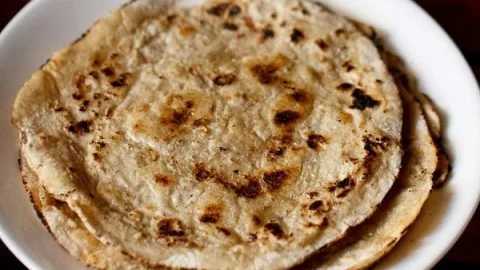
At Saagar, we prepare this roti using traditional techniques that preserve its authentic taste.
Sorghum flour is mixed with hot water and a pinch of salt to form a soft dough. The dough is gently flattened by hand, not rolled, to maintain its structure. It is then cooked on a hot tawa until both sides are evenly cooked.
Proper heat control is essential, as it ensures the roti stays soft while developing a light roasted aroma.
Many people wonder how to make soft jowar roti at home. The secret lies in technique rather than ingredients. Using hot water while kneading, covering the dough to retain moisture, and cooking on medium heat all help achieve softness.
At Saagar, our chefs pay close attention to these details so that each roti is easy to tear and enjoy with curries.
Is Jowar Roti Good for Diabetes?

This is a commonly asked question. Due to its fiber content and slower digestion, this roti is often considered a better option compared to refined breads. It helps avoid sudden spikes in energy levels when consumed as part of a balanced meal.
This quality makes it popular among people who prefer traditional grains over refined options.
When eaten in moderation, this roti can support mindful eating habits. Its ability to keep you full for longer can help reduce unnecessary snacking. That is why many people include it in meals when focusing on balanced portion sizes.
As with all foods, moderation and overall meal composition play an important role.
Serving Jowar Roti at Saagar
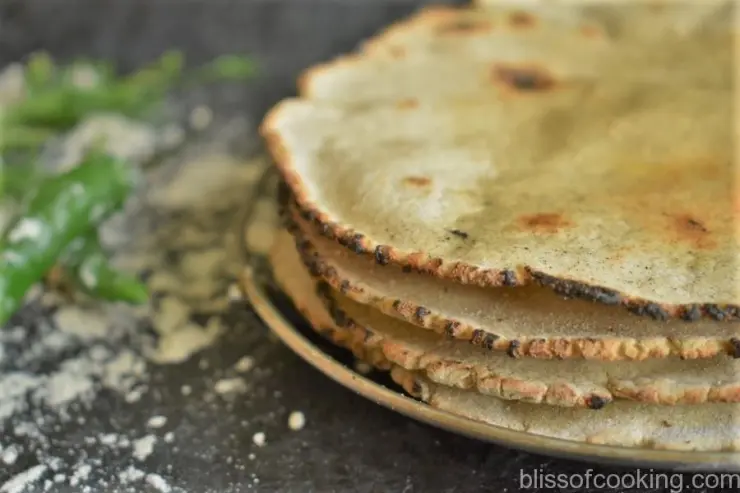
At Saagar, we proudly serve this traditional flatbread alongside a variety of vegetarian dishes. Its earthy flavor complements rich gravies, simple vegetable preparations, and lentil-based curries.
Served hot and fresh, it adds warmth and authenticity to the dining experience. Our focus is always on consistency, freshness, and respect for traditional cooking methods.
In a world of fast food and refined ingredients, traditional breads remind us of simpler, more balanced eating habits. This roti represents a connection to India’s agricultural roots and culinary heritage.
By offering such dishes, Saagar aims to keep traditional flavors alive while meeting modern dining expectations.
Frequently Asked Questions (FAQs)
How to make jowar roti?
Mix sorghum flour with hot water and salt, knead gently, flatten by hand, and cook on a hot griddle until done.
How to make soft jowar roti?
Use hot water for kneading, avoid overworking the dough, and cook on medium heat.
Is jowar roti good for diabetes?
It is often preferred due to its fiber content and slower digestion when eaten as part of a balanced meal.
Is jowar roti good for weight loss?
When eaten in moderation, it can help with fullness and controlled eating.
How many calories in jowar roti?
On average, one piece contains around 90–110 calories.