
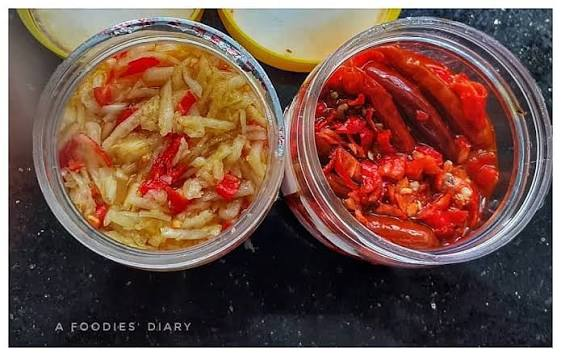
Khorisa is a traditional Assamese food ingredient known for its distinctive sour, earthy, and mildly fermented flavor. Made primarily from tender bamboo shoots, it plays an important role in Assamese cuisine and appears in a variety of vegetarian and non-vegetarian preparations. Its unique taste can transform a simple dish into something deeply aromatic and memorable.
Fermented foods have long been valued in northeastern Indian cooking because they preserve seasonal ingredients while adding complex flavors. Khorisa is an excellent example of this culinary tradition. At Saagar, we celebrate regional Indian cuisine by bringing attention to traditional ingredients and dishes that showcase India’s incredible food diversity.
What Is Khorisa?
Khorisa generally refers to fermented bamboo shoot, a traditional ingredient widely used in Assamese cooking. Young bamboo shoots are collected, processed, and fermented to develop their characteristic sour flavor.
Unlike fresh bamboo shoots, which can have a more vegetal taste, the fermented version develops a deeper and more pronounced tanginess. This makes it especially useful in curries, chutneys, pickles, and meat preparations.
The preparation methods can vary between communities and households, with some versions being more sour, while others have a stronger fermented aroma.
Khorisa Meaning and Cultural Importance
The khorisa meaning is closely connected with bamboo shoots and their traditional use in Assamese cuisine. Bamboo is abundant in many parts of Northeast India, making young shoots a naturally available seasonal ingredient.
Local communities developed methods for preserving bamboo shoots so they could be enjoyed beyond their short harvest season. Fermentation became an effective way to extend their usability while creating a distinctive flavor.
Today, this ingredient remains an important part of Assamese food culture and is used in recipes ranging from simple vegetable preparations to flavorful meat curries.
At Saagar, we value ingredients that tell a story about the land, people, and culinary traditions from which they originate.
How Is Fermented Bamboo Shoot Prepared?
Traditional preparation begins with young bamboo shoots. The outer layers are removed, leaving the tender inner portions.
The shoots are cut or shredded and then placed in containers for fermentation. Depending on the traditional method, salt and other ingredients may be used during the process.
Over time, natural fermentation changes the texture and flavor of the bamboo. The finished product develops a characteristic sourness and aroma.
The exact process can differ between households and communities, and traditional recipes are often passed down through generations.
This preservation technique demonstrates the resourcefulness of traditional Assamese cooking.
Flavor and Texture
One of the most interesting qualities of this ingredient is its distinctive flavor. It generally has a noticeable sourness accompanied by earthy and fermented notes.
The texture can range from tender and slightly crunchy to softer, depending on how it has been prepared and cooked.
Because its flavor is strong, it is often combined with ingredients that complement rather than overpower it. Fish, chicken, pork, vegetables, herbs, and chilies can all work beautifully with fermented bamboo shoot.
This makes it a versatile ingredient for both everyday meals and regional specialties.
Khorisa Chicken
Khorisa chicken is one of the ways this traditional ingredient can be paired with meat. The sourness of fermented bamboo shoot provides a refreshing contrast to the richness of chicken.
A typical preparation may combine chicken with bamboo shoot, ginger, garlic, green chilies, turmeric, mustard oil, and selected spices.
The chicken is cooked until tender while the bamboo shoot infuses the gravy with its distinctive tangy character.
The resulting dish can be flavorful without requiring a heavy or creamy sauce. This is consistent with the broader Assamese approach of allowing fresh and fermented ingredients to remain prominent.
At Saagar, regional dishes like these offer diners an opportunity to explore flavors beyond familiar Indian curries.
How to Make Gahori Khorisa
Those searching for how to make gahori khorisa are usually interested in combining pork, or gahori, with fermented bamboo shoot.
The basic preparation can begin by cooking pieces of pork with ginger, garlic, green chilies, and other simple seasonings. Fermented bamboo shoot is then added to provide its characteristic sourness.
The mixture is cooked slowly so that the flavors can combine and the pork becomes tender.
Different Assamese communities may use different ingredients and techniques. Some preparations are relatively simple, while others incorporate additional herbs or spices.
The key is to maintain a balance between the richness of pork and the acidity of the bamboo shoot.
Vegetarian Uses
Although it is commonly associated with fish and meat dishes, fermented bamboo shoot can also be used in vegetarian cooking.
It can be combined with:
- Potatoes
- Green vegetables
- Lentils
- Beans
- Tomatoes
- Local herbs
- Chilies
Its sour flavor can provide depth to otherwise simple vegetable preparations.
A small quantity can be enough to change the overall character of a dish, making it a useful ingredient for cooks who enjoy bold regional flavors.
Why Fermentation Matters
Fermentation is an important culinary technique found in many cultures around the world. In Assam and other northeastern regions, it has historically helped preserve seasonal ingredients while developing new flavors.
Fermented bamboo shoot demonstrates how traditional food preservation can also improve culinary versatility. The process changes both the aroma and taste of the original ingredient.
It also reflects a broader philosophy of using what nature provides during the appropriate season and preserving it for later use.
Khorisa Pune and Growing Popularity
Searches such as khorisa Pune show how interest in northeastern Indian ingredients is spreading beyond Assam. As regional Indian cuisine becomes more accessible across the country, distinctive ingredients such as fermented bamboo shoot are being discovered by diners in major cities.
Restaurants, specialty food stores, and home cooks are helping introduce these traditional flavors to new audiences.
However, its appeal remains strongly connected to Assamese culinary traditions, where bamboo shoots have been used for generations.
Best Ways to Enjoy It
Because fermented bamboo shoot has a strong personality, it is best enjoyed with simple accompaniments.
Steamed rice is one of the most natural pairings. The mild flavor of rice balances the tangy and fermented notes of the dish.
It can also be served with:
- Dal
- Simple vegetable dishes
- Green chilies
- Fresh herbs
- Pickles
- Light fish preparations
These combinations allow the distinctive flavor of the fermented ingredient to remain prominent.
Why Choose Saagar?
At Saagar, we believe Indian cuisine extends far beyond the most familiar regional dishes. India’s northeastern states have their own remarkable culinary traditions, ingredients, and cooking techniques.
Our focus on regional flavors allows diners to discover unique ingredients while enjoying the warmth and diversity of Indian food culture.
Whether you are already familiar with Assamese cuisine or discovering fermented bamboo shoot for the first time, Saagar provides an opportunity to appreciate the flavors and traditions behind regional Indian cooking.
Conclusion
Khorisa is a fascinating example of Assamese culinary heritage. Made from fermented bamboo shoots, it combines preservation, tradition, and distinctive flavor in one versatile ingredient. Its characteristic sourness works beautifully with chicken, pork, fish, vegetables, and simple rice-based meals.
From traditional home kitchens to restaurants beyond Assam, this ingredient continues to introduce diners to the remarkable flavors of northeastern India. At Saagar, we proudly celebrate these regional food traditions and the unique ingredients that make Indian cuisine so diverse.