
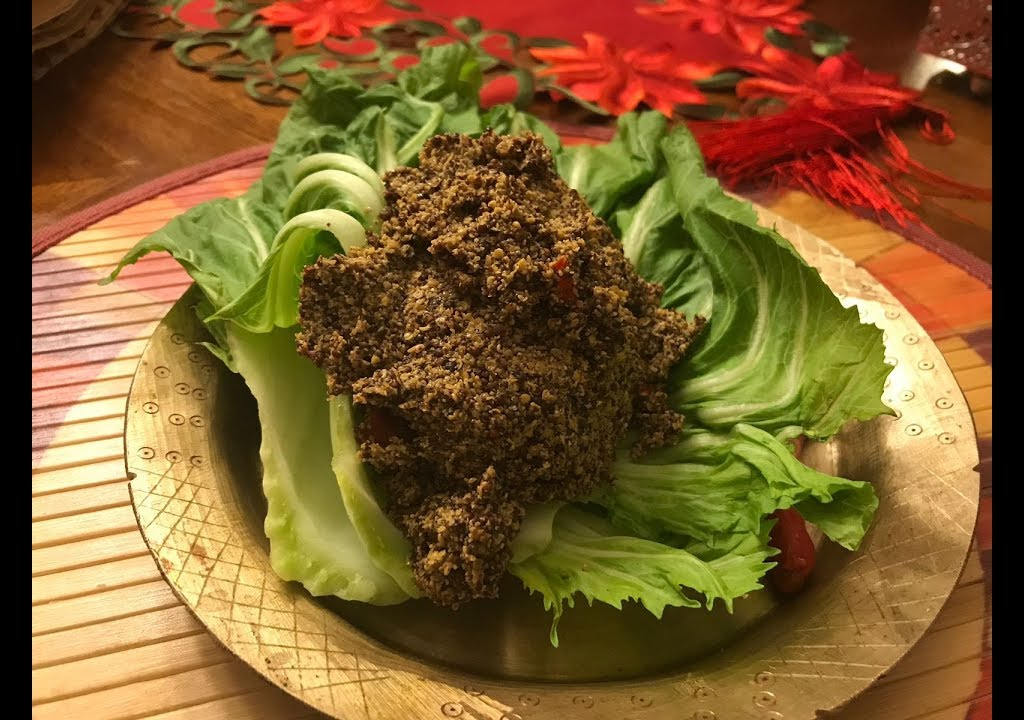
Kharoli is a traditional food preparation associated with regional Indian cuisine and is particularly known in parts of Maharashtra. Like many lesser-known regional foods, its identity is closely connected with local ingredients, traditional cooking practices, and community food culture. Although it may not have the same international recognition as dishes such as dosa or biryani, it represents the depth and diversity of India’s culinary traditions.
For food lovers, discovering regional specialties can be an exciting way to understand how different communities use familiar ingredients in distinctive ways. At Saagar, we celebrate this diversity by introducing diners to traditional Indian flavors and dishes from different regions.
What Is Kharoli?
Kharoli is commonly associated with a traditional preparation made using mustard seeds. In many Maharashtrian food traditions, mustard-based preparations are valued for their pungent aroma and bold flavor.
The term can have different local associations, however, and regional food names sometimes vary between communities. A traditional preparation may be used as an accompaniment or condiment, where its strong flavor adds character to otherwise simple meals.
Its distinctive taste comes from the ingredients and preparation technique rather than from an elaborate list of spices. This reflects an important characteristic of many regional Indian foods: simple ingredients can create remarkably complex flavors when prepared correctly.
The Importance of Regional Food Traditions
India’s food culture is incredibly diverse. Every state and region has developed recipes based on its climate, agriculture, available ingredients, and cultural traditions.
Some dishes become widely recognized throughout the country, while others remain closely associated with specific communities or locations. Kharoli belongs to the fascinating world of regional foods that provide a glimpse into local culinary practices.
Traditional preparations are often passed from one generation to another. Families may have their own variations, adjusting ingredients and proportions according to personal preferences.
At Saagar, we believe these lesser-known culinary traditions deserve the same appreciation as India’s most famous dishes.
Traditional Ingredients
A traditional mustard-based preparation may include ingredients such as:
- Mustard seeds
- Oil
- Green chilies
- Garlic
- Salt
- Turmeric
- Lemon or another souring ingredient
- Fresh herbs
The exact ingredients can differ according to the regional method.
Mustard seeds are particularly important because they provide the characteristic sharpness associated with the preparation. When combined with oil and aromatic ingredients, they create a flavorful accompaniment that can brighten an entire meal.
Freshness also matters. Good-quality mustard seeds and carefully selected supporting ingredients help create a more balanced flavor.
Understanding the Flavor
The flavor profile is one of the most interesting aspects of this traditional preparation.
Mustard provides a strong, pungent taste, while green chilies can add heat. A souring ingredient may contribute brightness, and oil helps bring the different flavors together.
The result can be bold without being overly complicated.
This style of cooking demonstrates how Indian cuisine frequently builds flavor through contrast. Sharp mustard, fresh herbs, chilies, and mild staple foods can work together to create a satisfying combination.
Kharoli Recipe: A Traditional Approach
People searching for a kharoli recipe may find different versions depending on the region and family tradition.
A basic preparation begins by grinding or crushing mustard seeds. The mustard paste is then combined with other ingredients such as chilies, garlic, salt, and a suitable souring ingredient.
Oil may be heated separately and added to the mixture, depending on the particular method.
The ingredients are combined carefully to create a smooth or slightly coarse preparation. Some versions are served immediately, while others may be allowed to rest so the flavors can develop.
Because mustard has a powerful flavor, balance is important. The amount of chili, sourness, and oil can be adjusted to create a more harmonious result.
How Is It Served?
Traditional mustard-based accompaniments work particularly well with simple Indian meals.
They can be enjoyed alongside:
- Steamed rice
- Bhakri
- Roti
- Dal
- Vegetable dishes
- Khichdi
- Simple curries
The strong flavor provides contrast to mild staples such as rice and wheat-based breads.
A small quantity can be enough to add considerable flavor, making it a useful accompaniment rather than something that needs to dominate the plate.
At Saagar, regional accompaniments like this can help diners explore the depth of Indian food culture beyond familiar main courses.
Kharoli Restaurant and Regional Food Experiences
Interest in traditional regional cuisine has grown as diners increasingly look for authentic and lesser-known foods. Searches for a kharoli restaurant reflect the broader desire to discover local specialties rather than relying only on mainstream dishes.
Restaurants play an important role in preserving food traditions. When traditional recipes are included on menus, diners from outside the region can experience flavors that might otherwise remain unfamiliar.
Regional restaurants also provide opportunities for younger generations to reconnect with foods associated with their cultural heritage.
At Saagar, we appreciate this connection between restaurants, traditional recipes, and culinary discovery.
Kharoli Village and Local Identity
The name Kharoli village may refer to different places in India, as several villages can share similar names. This is an important reminder that Indian food terminology can sometimes have strong local connections.
A village, community, or region may have its own interpretation of a food name, and recipes can change considerably from one location to another.
This local variation is not a weakness. Instead, it demonstrates how Indian cuisine continues to evolve while retaining strong connections with geography and community traditions.
Kharoli River and the Importance of Geography
Searches for kharoli river can also lead to geographical references that may be unrelated to the culinary term. This highlights why context is important when researching regional Indian names.
India has thousands of villages, rivers, landmarks, and food traditions with similar or overlapping names. A culinary term may have one meaning in a particular community while referring to something entirely different in another context.
For food enthusiasts, understanding the regional background can make discovering traditional dishes even more interesting.
Why Lesser-Known Indian Foods Matter
Famous Indian foods often receive most of the attention, but regional specialties tell equally important stories.
Traditional foods preserve:
- Local ingredients
- Cooking techniques
- Family traditions
- Seasonal practices
- Community history
- Regional flavors
Exploring these dishes helps create a more complete understanding of Indian cuisine.
At Saagar, we believe every regional preparation has something valuable to offer, whether it is a famous dish enjoyed worldwide or a lesser-known specialty rooted in local tradition.
Why Choose Saagar?
At Saagar, we are committed to celebrating the diversity of Indian cuisine. Our approach combines traditional flavors with careful preparation and quality ingredients.
We want our guests to experience the many different culinary identities found throughout India. Regional dishes provide an opportunity to discover new ingredients, flavors, and cooking traditions while enjoying a welcoming dining experience.
Whether you are familiar with traditional Maharashtrian flavors or simply curious about lesser-known Indian foods, Saagar encourages you to explore beyond the usual menu choices.
Conclusion
Kharoli represents the fascinating world of regional Indian culinary traditions, where simple ingredients and traditional techniques can create distinctive flavors. Its association with mustard-based preparations highlights the bold yet balanced character found in many Indian accompaniments.
From traditional recipes and village food culture to the growing interest in regional restaurants, discovering lesser-known foods can provide a deeper appreciation of India’s culinary heritage.
At Saagar, we proudly celebrate this incredible diversity and invite food lovers to explore traditional Indian flavors, ingredients, and recipes that continue to connect generations with the country’s rich culinary history.