
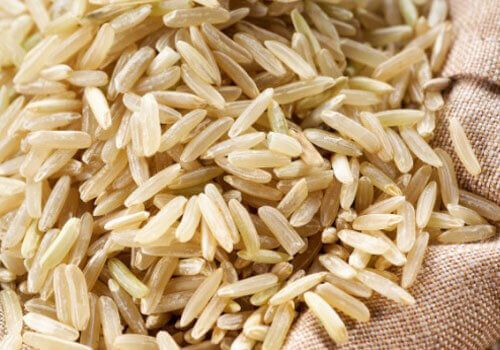
Brown rice has become increasingly popular among people looking for wholesome alternatives to polished white rice. Its nutty flavor, firmer texture, and naturally retained outer layers make it a favorite for balanced meals. As more consumers explore healthier grains, understanding the factors that influence brown rice price can help shoppers make better purchasing decisions.
The cost of brown rice can vary considerably depending on the variety, brand, packaging, quality, processing method, and place of purchase. At Saagar, we appreciate the importance of quality ingredients and the role that traditional grains can play in a diverse Indian meal.
What Is Brown Rice?
Brown rice is rice that retains its bran and germ layers after the inedible outer husk is removed. White rice undergoes additional milling that removes these layers, resulting in a lighter color and softer texture.
Because the bran and germ remain intact, brown rice generally has a nuttier flavor and chewier texture. It also takes longer to cook than many varieties of white rice.
There are different varieties available, including long-grain, medium-grain, short-grain, and aromatic types. Each variety can have a different price depending on production and demand.
What Determines Brown Rice Price?
Several factors influence how much consumers pay for brown rice. Understanding these factors makes it easier to compare products.
Rice Variety
Different rice varieties have different cultivation requirements, yields, and market demand. Premium aromatic varieties may cost more than standard brown rice.
Quality
Grain size, cleanliness, freshness, and processing quality can influence the cost. Higher-grade rice is often sold at a premium.
Brand
Established brands may charge more because of packaging, quality control, sourcing, and distribution costs.
Packaging
A small package can have a higher cost per kilogram than a larger bag. Comparing the price per kilogram rather than only the package price provides a more accurate comparison.
Location
Prices can vary between cities, stores, supermarkets, specialty food shops, and online marketplaces.
Organic Certification
Certified organic products may cost more because of farming practices, certification, processing, and supply-chain requirements.
Brown Rice Price 1 Kg
For shoppers specifically checking brown rice price 1 kg, comparing the cost per kilogram is one of the easiest ways to evaluate different options.
A one-kilogram package is convenient for individuals, couples, or households that want to try a particular variety without purchasing a large quantity.
However, the lowest price is not always the best value. Consumers should also consider grain quality, packaging date, brand reputation, and cooking characteristics.
A slightly more expensive product may provide better consistency and quality, particularly when used regularly.
Brown Rice 1kg Price vs Larger Packs
When comparing brown rice 1kg price with larger packages, shoppers may notice that larger packs sometimes offer a lower cost per kilogram.
For example, a family that regularly consumes brown rice may find a 5 kg package more economical than purchasing multiple 1 kg bags.
On the other hand, smaller packages can be better for people who consume brown rice occasionally because they reduce the chance of storing more rice than necessary.
The right package size depends on household consumption and storage conditions.
Understanding Brown Rice Price Per Kg
Looking at the brown rice price per kg is particularly useful when comparing brands.
A package may contain 500 grams, 1 kilogram, 2 kilograms, or more. Simply comparing the total package price can make a more expensive product appear cheaper if the package is larger.
Checking the per-kilogram cost creates a fair comparison.
Consumers should also consider whether the rice is conventional, organic, specialty, aromatic, or fortified, since these differences can explain variations in price.
Patanjali Brown Rice Price 1 Kg
Consumers searching for Patanjali brown rice price 1 kg are generally looking for the current cost of a branded one-kilogram package.
Brand prices can change because of promotions, retailer margins, location, taxes, availability, and online discounts. Therefore, it is useful to check the package’s current listed price rather than relying on an old price found in an article or search result.
When comparing a branded product with another option, consider more than the name. Check the rice variety, grain quality, packaging size, nutritional information, and price per kilogram.
This approach makes the buying decision more practical.
Is Brown Rice More Expensive Than White Rice?
Brown rice can sometimes be more expensive than ordinary white rice, although the difference depends on the variety and brand.
White rice is widely produced, processed, and consumed, creating large-scale supply chains. Brown rice can involve additional handling and has a different market demand.
However, prices are not fixed across all varieties. Some standard brown rice products may be competitively priced, while premium aromatic varieties can cost significantly more.
Rather than assuming one type is always more expensive, shoppers should compare equivalent varieties and package sizes.
Brown Rice and Everyday Meals
Brown rice can be incorporated into many familiar meals. Its slightly nutty flavor works well with vegetables, lentils, curries, grilled foods, and stir-fried preparations.
It can be used for:
- Rice bowls
- Vegetable pulao
- Dal and rice
- Mixed rice dishes
- Grain salads
- Stir-fried rice
- Curry-based meals
Because it has a firmer texture, it can provide a different eating experience compared with polished white rice.
At Saagar, rice-based meals can be enjoyed as part of a broader Indian dining experience where grains, vegetables, lentils, and curries complement one another.
How to Choose Good Brown Rice
Price should be only one part of the purchasing decision.
Look for clean, evenly sized grains with packaging that is properly sealed. Check the manufacturing or packing information and storage recommendations.
It is also helpful to examine the ingredient and product information provided on the package. If purchasing a specialty or organic product, look for the appropriate certification information.
For regular household use, consistency in cooking quality can be just as important as a small difference in cost.
Storing Brown Rice Properly
Brown rice generally requires more careful storage than highly polished rice because its retained bran and germ contain natural oils.
Keep it in a cool, dry location away from moisture, heat, and direct sunlight. Once opened, an airtight container can help protect the rice from humidity and pests.
For households that purchase larger quantities, proper storage becomes particularly important.
Buying a large bag may reduce the per-kilogram cost, but it only represents good value if the rice is stored correctly and consumed within a reasonable period.
Why Brown Rice Is Becoming Popular
Interest in whole grains has encouraged more people to experiment with brown rice. Its distinctive texture and flavor make it an appealing alternative for diners who want variety in their meals.
It can also introduce a more rustic character to traditional dishes.
As consumer interest grows, the availability of different varieties and brands is likely to give shoppers more choices at different price points.
Why Choose Saagar?
At Saagar, we believe good food begins with an appreciation for quality ingredients and traditional culinary practices. Rice has an important place in Indian cuisine, and exploring different varieties allows diners to experience familiar meals in new ways.
Our commitment to regional and traditional food encourages guests to discover the diversity of Indian ingredients and cooking styles.
Whether you prefer classic white rice or enjoy the distinctive character of whole-grain varieties, choosing quality ingredients can make every meal more enjoyable.
Conclusion
Understanding brown rice price requires looking beyond the number printed on a package. Variety, quality, brand, packaging, location, processing, and certification can all influence the final cost.
When comparing a brown rice price 1 kg package or checking brown rice price per kg, always compare equivalent products and consider quality alongside cost. Shoppers researching options such as Patanjali brown rice price 1 kg should also verify current prices because retail costs and promotions can change.
At Saagar, we celebrate the role of rice in Indian cuisine and encourage diners to explore the many grains and traditional ingredients that contribute to India’s remarkable food culture.