
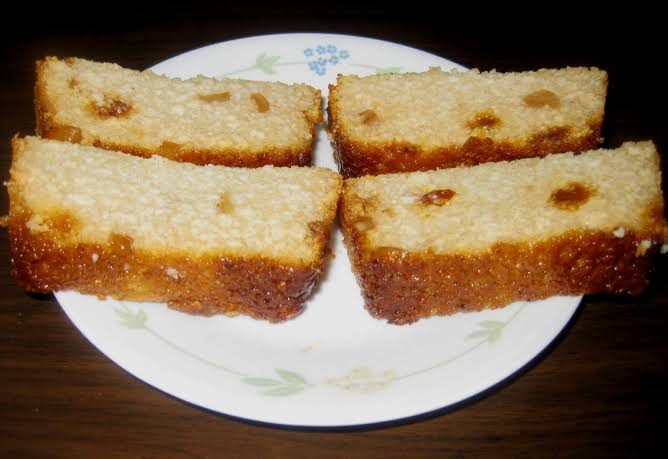
Chhenapoda is a traditional dessert from Odisha that stands apart from many popular Indian sweets because of its distinctive baked preparation. Made primarily from fresh chhena, sugar, and aromatic ingredients, this dessert develops a beautifully caramelized crust while remaining soft and creamy inside. Its smoky aroma and lightly charred exterior make it an unforgettable treat for anyone interested in regional Indian cuisine.
Unlike syrup-soaked sweets, Chhenapoda gets much of its character from slow baking. The caramelized sugar combines with fresh cheese to create a rich flavor and golden-brown surface. At Saagar, we celebrate India’s diverse culinary heritage by bringing attention to traditional dishes that showcase the unique food traditions of different regions.
What Is Chhenapoda?
The name Chhenapoda can be translated roughly as “burnt cheese” or “roasted chhena.” The name comes from the cooking process, in which fresh chhena is mixed with sugar and other ingredients before being baked until the outside becomes caramelized.
The dessert is traditionally made with chhena, an Indian fresh cheese similar to paneer but softer and more moist. Sugar provides sweetness, while cardamom and other ingredients may add fragrance.
The finished dessert typically has a dark golden or brown crust and a soft, slightly crumbly interior. Its combination of caramelized flavor and fresh dairy makes it different from many other Indian desserts.
The Odisha Connection
Chhenapoda is strongly associated with Odisha and is considered one of the state’s most recognizable traditional desserts. It has become an important part of Odia food culture and is enjoyed during celebrations, festivals, family gatherings, and everyday dessert occasions.
The dessert is also an excellent example of how traditional Indian cooking can transform relatively simple ingredients into something remarkably flavorful.
Odisha’s culinary traditions include a wide variety of rice dishes, vegetable preparations, seafood, sweets, and temple foods. Chhenapoda adds another distinctive dimension to this rich culinary heritage.
At Saagar, we appreciate the cultural stories behind regional specialties and the traditions that have kept them popular over generations.
How Was Chhenapoda Created?
The origin story of this dessert is often linked to a baker named Sudarshan Sahu from Nayagarh, Odisha. According to popular accounts, leftover chhena mixed with sugar was placed in an oven overnight, resulting in a caramelized dessert that eventually became famous.
While stories surrounding traditional foods can vary, this account is widely associated with the origin of the dish.
What makes the story especially interesting is that it illustrates how experimentation and simple ingredients can lead to iconic regional foods.
Today, the dessert is enjoyed throughout Odisha and has gained recognition well beyond the state.
Traditional Ingredients
A traditional preparation requires relatively few ingredients:
- Fresh chhena
- Sugar
- Semolina
- Cardamom
- Ghee
- Cashews
- Raisins
- Milk, when needed
Fresh chhena is the most important ingredient because its quality strongly influences the final texture.
Semolina can provide structure, while ghee contributes richness and helps with the characteristic baked aroma. Cardamom adds fragrance, and nuts and raisins can provide additional texture.
Some recipes use other flavoring ingredients, but the basic preparation remains relatively simple.
How Is Chhenapoda Prepared?
The process starts with fresh chhena. It is kneaded until it becomes smooth and soft.
Sugar, semolina, cardamom, and other ingredients are then mixed into the chhena. Ghee is often used to grease the baking container.
The mixture is transferred into a suitable pan and baked slowly.
As it cooks, the sugar caramelizes and the surface develops the dessert’s signature brown crust. The longer, slower baking process allows the flavors to deepen while the inside remains moist.
Once cooled, it is cut into slices or pieces and served.
The balance between the caramelized outer layer and soft interior is one of the most important aspects of a well-prepared dessert.
What Makes It Different from Other Indian Sweets?
Many Indian sweets are prepared by frying dough, reducing milk, or soaking ingredients in sugar syrup. Chhenapoda takes a different approach.
Baked Instead of Fried
The dessert gets its texture and flavor primarily through baking.
Caramelized Crust
The top develops a rich brown crust as the sugar cooks.
Fresh Cheese Base
Chhena provides a soft, creamy, slightly grainy texture.
Smoky Aroma
Slow baking can produce a subtle roasted aroma.
Moderate Ingredient List
The recipe does not require an extensive selection of spices.
These characteristics give the dessert its distinctive identity.
The Importance of Fresh Chhena
Fresh chhena is essential to achieving the right texture. Unlike firmer paneer, chhena contains more moisture and has a softer consistency.
It is traditionally produced by curdling milk with an acidic ingredient and separating the curds from the whey.
For dessert preparation, the cheese is kneaded to create a smooth mixture. The moisture level must be balanced carefully: excessively wet chhena can make the dessert too soft, while very dry chhena may produce a dense texture.
This is one reason experienced sweet makers pay close attention to the quality and preparation of the cheese.
Flavor Profile
The first thing many people notice is the caramelized sweetness. The browned crust contributes deeper roasted notes, while the chhena provides a mild dairy flavor.
Cardamom may add a gentle aromatic quality, while ghee contributes richness.
Nuts and raisins, when included, provide additional texture and small bursts of flavor.
Unlike extremely syrupy sweets, this dessert has a more substantial texture, making it particularly satisfying as an after-meal treat.
When Is Chhenapoda Served?
This traditional dessert can be enjoyed on many occasions, including:
- Festivals
- Weddings
- Family gatherings
- Cultural celebrations
- Religious occasions
- Dinner parties
- Everyday dessert cravings
It is also popular as a gift or takeaway sweet because it can be sliced into convenient portions.
For visitors discovering Odia cuisine, it is one of the desserts worth trying because of its distinctive preparation and regional identity.
Best Way to Enjoy It
Chhenapoda is usually enjoyed on its own so that its caramelized crust and cheese-based texture can be appreciated.
It can be served at room temperature or slightly chilled depending on personal preference.
A cup of tea or coffee can also complement its rich sweetness.
For a traditional Indian meal, serving a small slice after the main course provides a satisfying finish without requiring additional toppings or elaborate presentation.
A Dessert That Represents Odia Heritage
Traditional desserts often tell stories about the communities that created them. Chhenapoda represents Odisha’s ability to turn simple ingredients into a distinctive culinary specialty.
Its preparation also demonstrates the importance of patience. The caramelization that gives the dessert its signature flavor cannot simply be rushed.
From the selection of fresh chhena to the careful baking process, each stage contributes to the final result.
At Saagar, we believe these traditional techniques deserve appreciation because they connect modern diners with India’s culinary history.
Why Choose Saagar?
At Saagar, we celebrate the diversity of Indian cuisine by showcasing flavors inspired by different regions and traditions.
Regional desserts are an important part of this experience. They provide diners with an opportunity to discover ingredients, cooking methods, and food stories that may be unfamiliar.
Our focus on traditional flavors and careful preparation helps create an enjoyable dining experience for guests who appreciate India’s rich culinary heritage.
Whether you already know Odia cuisine or are trying it for the first time, Chhenapoda is a wonderful way to explore the distinctive dessert traditions of Odisha.
Conclusion
Chhenapoda is a remarkable Odia dessert made from fresh chhena, sugar, and aromatic ingredients. Its defining feature is the caramelized crust created through slow baking, which gives it a rich roasted flavor and distinctive appearance.
The contrast between its browned exterior and soft interior makes it unlike many conventional Indian sweets. Its simple ingredients and traditional preparation also demonstrate the creativity of regional Indian cooking.
At Saagar, we proudly celebrate India’s culinary diversity and invite our guests to discover the traditional flavors and stories behind regional specialties such as Chhenapoda.