
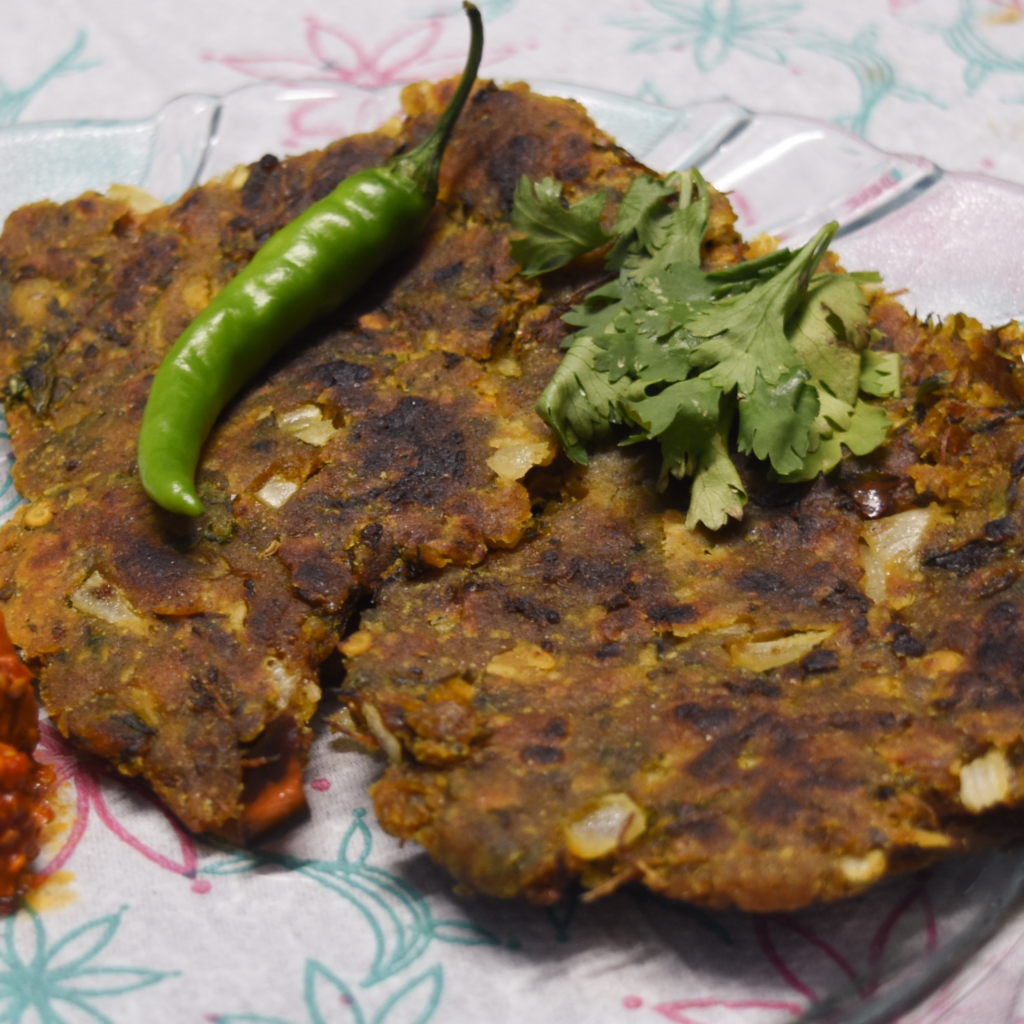
Indian cuisine is filled with regional breads that showcase local ingredients, traditional cooking methods, and generations of culinary knowledge. Thalipeeth is a popular Maharashtrian flatbread known for its rustic texture, flavorful spices, and nutritious combination of grains and lentils. Unlike ordinary flatbreads made from a single type of flour, this specialty traditionally uses a blend of different flours, creating a distinctive taste and texture.
Crispy around the edges and soft toward the center, Thalipeeth can be enjoyed for breakfast, lunch, dinner, or as a satisfying snack. At Saagar, dishes inspired by India’s regional cuisines allow diners to explore traditional flavors and discover specialties from different parts of the country.
What Is Thalipeeth?
Thalipeeth is a savory flatbread traditionally associated with Maharashtra. It is generally prepared using a multigrain flour mixture known as bhajani. Depending on the recipe, this flour can include roasted grains, lentils, and other ingredients.
Common components may include millet, rice, wheat, sorghum, chickpeas, and various lentils. Spices such as cumin, coriander, and chili are added to give the dough its characteristic savory flavor.
Finely chopped onion, coriander, green chili, and other ingredients can also be mixed into the dough. The mixture is shaped into a thin flatbread and cooked on a hot griddle until golden and crisp.
Ingredients Used in Thalipeeth
The ingredient combination is one of the most interesting features of this Maharashtrian dish. Traditional recipes often use a mixture of roasted grains and lentils, although the exact blend can vary.
Bhajani flour forms the foundation, while onions and fresh herbs add moisture and flavor. Green chilies provide heat, and cumin and coriander contribute their characteristic aromas.
Sesame seeds may also be added for a nutty flavor and additional texture. Salt and other spices help bring the ingredients together.
Because recipes vary across families and regions, there is no single ingredient combination that defines every version. This flexibility is part of the dish’s traditional character.
How Is Thalipeeth Prepared?
The flour mixture is combined with spices, chopped vegetables, herbs, and enough water to create a soft dough. Unlike dough for many conventional flatbreads, it is generally quite moist and delicate.
Traditionally, a small portion of dough is placed on a greased surface or damp cloth and carefully flattened into a round shape. Small holes may be made in the center and around the surface to help it cook evenly.
The flattened dough is then transferred to a hot griddle. Oil or ghee can be used during cooking, depending on the recipe.
It is cooked on both sides until the surface becomes golden and crisp while the inside remains tender.
What Does Thalipeeth Taste Like?
Thalipeeth has a hearty, earthy flavor because of its combination of grains and lentils. Roasted ingredients provide a pleasant nuttiness, while spices add warmth and depth.
Onions can contribute mild sweetness, while green chilies bring a fresh spicy note. Sesame seeds add a subtle crunch and enhance the nutty character.
The texture is equally appealing. The edges can become crisp and slightly crunchy, while the center remains soft and chewy.
This combination makes it more substantial than many lighter Indian flatbreads.
How to Serve Thalipeeth
One of the most traditional accompaniments is fresh yogurt or curd. Its cool, creamy texture provides a pleasant contrast to the warm and savory flatbread.
It can also be served with butter, ghee, chutney, or other Indian accompaniments. Some people enjoy it with a spicy pickle for an additional burst of flavor.
For breakfast, it can be served as a complete and filling meal. It can also work as an afternoon snack or as part of a larger Indian spread.
Thalipeeth in Maharashtrian Food Culture
Maharashtra has a diverse culinary tradition influenced by its geography, agriculture, and local ingredients. Thalipeeth is an excellent example of the region’s use of grains, lentils, and spices in everyday cooking.
The use of a multigrain flour blend makes the dish particularly distinctive. Traditional households may prepare their own bhajani by roasting and grinding different grains and lentils, creating a flour with a deep roasted aroma.
The recipe can change according to household preferences and available ingredients, allowing each version to have its own character.
Why Try Thalipeeth at Saagar?
Saagar offers an opportunity to explore the broad range of Indian regional cuisine, and Thalipeeth is a great choice for diners looking beyond familiar breads such as naan and roti.
Its combination of multigrain flour, lentils, vegetables, herbs, and spices creates a distinctive savory experience. The crisp edges and soft center also make it enjoyable for people who appreciate contrasting textures.
Whether you are familiar with Maharashtrian food or trying it for the first time, this traditional flatbread provides a flavorful introduction to the everyday cooking traditions of western India.
Conclusion
Thalipeeth is a hearty Maharashtrian flatbread that demonstrates the creativity of traditional Indian cooking. Its blend of grains, lentils, vegetables, herbs, and spices creates a flavorful dish with a rustic texture and satisfying character.
Served with yogurt, chutney, butter, or other accompaniments, it can easily become a delicious part of breakfast or a light meal. Its preparation also reflects the importance of multigrain cooking in traditional Maharashtrian households.
For anyone interested in discovering regional Indian specialties, trying Thalipeeth at Saagar is a delicious way to experience the distinctive flavors and culinary traditions of Maharashtra.