
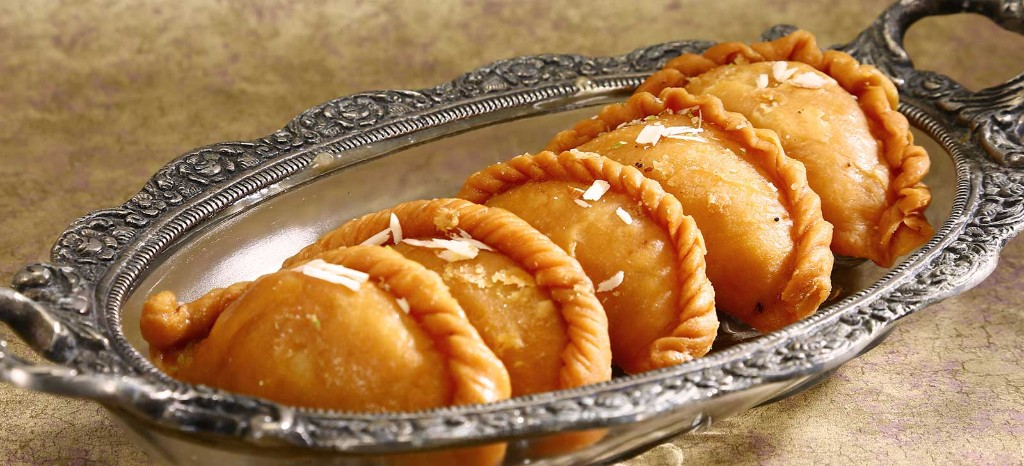
Indian sweets are famous for their variety, and many traditional desserts have their own distinctive shape, texture, and preparation method. Ghooghra is a popular festive sweet that combines a crisp outer covering with a rich, aromatic filling. Often associated with celebrations and special occasions, this delicacy is enjoyed in different forms across Indian regions.
At Saagar, traditional Indian cuisine is celebrated through authentic flavors and time-honored recipes. Exploring sweets such as Ghooghra offers diners an opportunity to discover another delicious part of India’s diverse culinary heritage.
What Is Ghooghra?
Ghooghra is a traditional Indian sweet made by preparing a thin dough, filling it with a sweet mixture, and shaping it into a crescent or half-moon form. The edges are usually sealed and decorated before the sweet is cooked until golden and crisp.
The filling commonly contains ingredients such as grated coconut, sugar, nuts, cardamom, and sometimes semolina or milk solids. Regional recipes can vary considerably, with families often having their own preferred ingredients and preparation techniques.
Its combination of a crunchy exterior and sweet, aromatic interior makes it especially appealing during festive meals.
The Traditional Origins of Ghooghra
The exact preparation of Ghooghra can differ across India, and similar crescent-shaped sweets are known by different names in different regions. It is particularly associated with western and central Indian culinary traditions.
The sweet is commonly prepared during festivals and family celebrations. Its crescent shape and decorative edges make it visually attractive, while its filling gives it a rich and satisfying flavor.
Traditional Indian households often prepare large batches during festive periods, allowing family members to participate in rolling, filling, folding, and decorating the sweets.
What Goes Into This Sweet?
One of the appealing aspects of Ghooghra is that it uses relatively simple ingredients while producing a complex flavor.
The outer shell is generally prepared with refined flour or another suitable flour and is enriched with ghee. The filling may include coconut, sugar, semolina, chopped nuts, and aromatic spices.
Cardamom is particularly common because its warm fragrance complements the sweetness. Almonds, cashews, or raisins may also be included depending on the regional recipe.
Some versions may contain khoya or other milk-based ingredients, creating a richer filling. These variations demonstrate how Indian sweets can evolve according to local ingredients and family traditions.
How Is Ghooghra Prepared?
Preparing Ghooghra requires several steps. First, a firm dough is made and allowed to rest. Small portions are then rolled into thin discs.
The sweet filling is placed in the center of each disc. The dough is folded over to create a half-moon shape, and the edges are carefully sealed. Traditional decorative techniques may be used to create a patterned border.
The prepared sweets can then be deep-fried until they develop a golden color and crisp texture. Some modern variations may use alternative cooking methods, but frying remains a traditional approach for many versions.
Once cooked, they are allowed to cool before serving. The result is a crisp exterior surrounding a fragrant, sweet filling.
A Popular Festive Treat
Ghooghra is closely connected with Indian celebrations. It can be prepared for festivals, weddings, religious occasions, and family gatherings.
During festive seasons, homemade sweets play an important role in bringing families together. Preparing these treats can become a shared activity, with different family members helping to shape and decorate each piece.
The sweet is also suitable for gifting. Its firm outer shell helps it retain its shape, making it practical for serving to guests or sharing with relatives and friends.
What Does Ghooghra Taste Like?
The first thing you notice is the crispness of the outer layer. As you bite into it, the sweet filling provides a contrasting soft and aromatic texture.
Coconut gives the filling a pleasant richness, while cardamom adds fragrance. Nuts can contribute a satisfying crunch, and ghee gives the pastry a deeper traditional flavor.
Depending on the recipe, the sweetness can range from moderately sweet to quite rich. This makes it a versatile dessert that can be enjoyed alongside tea, after a meal, or as part of a larger festive spread.
Why Try Ghooghra at Saagar?
Saagar brings together a wide range of Indian culinary traditions, giving diners the opportunity to experience familiar favorites as well as traditional regional specialties.
A dessert such as Ghooghra can be an excellent choice for anyone interested in discovering Indian sweets beyond more commonly known options. Its crisp pastry, flavorful filling, and festive character make it a memorable way to complete an Indian meal.
It can also be enjoyed as a small sweet treat alongside tea or coffee, making it suitable for both casual and celebratory dining.
Tips for Enjoying This Traditional Sweet
For the best experience, Ghooghra is generally enjoyed fresh, when the outer layer retains its characteristic crispness. Pairing it with a warm beverage can create a pleasant contrast between the crunchy sweet and the smooth drink.
If purchasing packaged versions, proper storage is important to help maintain the texture of the outer shell. Homemade varieties can also be stored according to the ingredients and cooking method used.
Conclusion
Ghooghra represents the creativity and diversity of Indian sweet-making traditions. Its distinctive crescent shape, crisp exterior, fragrant filling, and festive associations make it a special part of Indian cuisine.
From family kitchens during celebrations to traditional restaurant menus, this sweet continues to connect food lovers with India’s rich culinary heritage. At Saagar, discovering traditional dishes and desserts like Ghooghra can make an Indian dining experience even more enjoyable.