
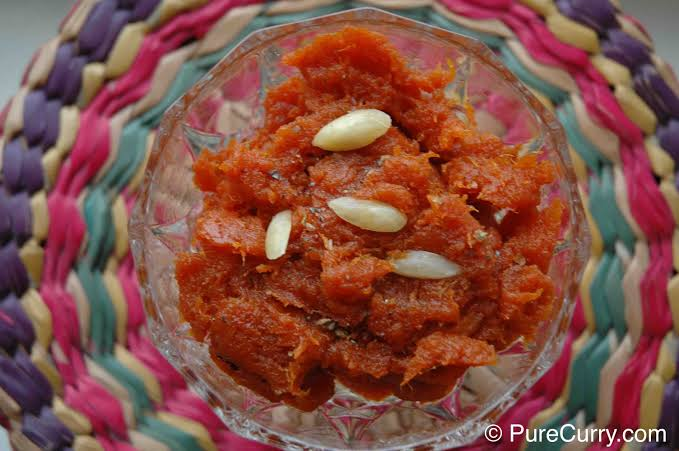
Kaddu ka halwa is a traditional Indian dessert that transforms humble pumpkin into a rich, aromatic, and comforting sweet. Prepared by slowly cooking grated pumpkin with milk, sugar, ghee, and fragrant spices, this dessert is known for its soft texture and satisfying sweetness. Garnished with nuts and sometimes flavored with cardamom or saffron, it can be enjoyed warm or chilled.
Pumpkin-based desserts are prepared in different parts of India, with each region adding its own touch to the recipe. At Saagar, we celebrate India’s diverse culinary traditions by bringing familiar favorites and regional specialties to the dining table.
What Is Kaddu Ka Halwa?
Kaddu ka halwa is a pumpkin-based Indian sweet made by cooking grated kaddu until tender and then combining it with milk, sugar, ghee, and aromatic ingredients.
The pumpkin gradually softens as it cooks, while the milk reduces and creates a creamy consistency. Ghee adds richness, and cardamom provides a pleasant fragrance.
Depending on the recipe, condensed milk, khoya, dry fruits, or saffron can also be included. The final dessert can range from moderately sweet and soft to rich and creamy.
Its simple ingredients and comforting flavor make it a popular choice for family meals, celebrations, and festive occasions.
How Does Pumpkin Work in a Halwa?
Pumpkin has a naturally mild and slightly sweet flavor, making it suitable for desserts. It also contains plenty of moisture, which helps it cook down easily.
When grated pumpkin is slowly cooked, its texture becomes soft and tender. As excess moisture evaporates, the natural sweetness becomes more noticeable.
Adding milk and ghee gives the dessert a richer taste, while sugar provides the sweetness associated with traditional halwa.
The transformation from fresh vegetable to aromatic dessert is one of the most appealing aspects of this preparation.
Traditional Ingredients
A basic preparation requires only a few ingredients:
- Fresh pumpkin
- Milk
- Sugar
- Ghee
- Cardamom
- Cashews
- Almonds
- Raisins
- Saffron, optional
- Khoya, optional
The type of pumpkin used can influence the final texture and sweetness. A fresh, mature pumpkin with firm flesh is generally preferred.
Some cooks also use condensed milk to shorten the cooking time and create a richer consistency.
At Saagar, quality ingredients and careful cooking are important for bringing out the natural flavor of traditional Indian desserts.
Kaddu Ka Halwa Kaise Banta Hai?
For those wondering kaddu ka halwa kaise banta hai, the process is relatively straightforward but benefits from slow cooking.
The pumpkin is peeled, deseeded, and grated. It is then cooked in a heavy-bottomed pan until it becomes tender and releases some of its moisture.
Milk is added and the mixture is simmered until the liquid gradually reduces. Sugar is then incorporated, followed by ghee and cardamom.
The mixture is stirred regularly while it continues cooking. As the moisture evaporates, the halwa becomes thicker and more concentrated.
Finally, roasted cashews, almonds, raisins, or other garnishes can be added before serving.
Patience is important because cooking too quickly can leave the pumpkin undercooked or prevent the desired consistency from developing.
Kaddu Ka Halwa Recipe: Important Tips
Anyone searching for a kaddu ka halwa recipe should pay attention to the cooking process rather than simply focusing on the ingredient list.
Choose Fresh Pumpkin
Fresh pumpkin provides better texture and a naturally pleasant flavor.
Cook Slowly
Gentle cooking allows the pumpkin to soften properly while the milk develops a richer consistency.
Use Good-Quality Ghee
Ghee contributes a distinctive aroma and richness to the finished dessert.
Balance the Sugar
The amount of sugar can be adjusted according to the natural sweetness of the pumpkin.
Add Cardamom at the Right Time
Adding cardamom toward the end helps preserve its fragrance.
These small details can make a noticeable difference to the final result.
Kaddu Ka Halwa Kaise Banate Hain for Special Occasions?
If you are wondering kaddu ka halwa kaise banate hain for a festive meal, the basic preparation can be made richer with additional ingredients.
Khoya or mawa can be added toward the end to provide a creamy milk flavor. Saffron soaked in warm milk can contribute an elegant aroma and appearance.
Roasted nuts can also be increased for a more festive presentation. Cashews, almonds, pistachios, and raisins all work well.
For special occasions, the dessert can be served in individual bowls and garnished with chopped nuts and a few saffron strands.
Green Kaddu Ka Halwa
A variation sometimes searched for as green kaddu ka halw uses green or immature pumpkin. The exact preparation can differ depending on the type of pumpkin and regional cooking traditions.
Green pumpkin tends to have a milder flavor and may contain more moisture than mature varieties. As a result, it can require additional cooking time to achieve the desired consistency.
The same basic principles apply: grate the pumpkin, cook it thoroughly, reduce excess moisture, and then combine it with milk, sugar, ghee, and aromatic ingredients.
This variation demonstrates how traditional Indian desserts can adapt to locally available ingredients.
What Makes This Dessert Special?
Several qualities make pumpkin halwa appealing:
Comforting Texture
Slow cooking produces a soft and rich consistency.
Mild Pumpkin Flavor
The vegetable’s natural sweetness works beautifully with sugar and milk.
Aromatic Spices
Cardamom gives the dessert a delicate fragrance.
Rich Garnishes
Nuts and raisins add contrasting textures.
Versatile Serving
It can be enjoyed warm, at room temperature, or chilled.
This versatility makes it suitable for both casual meals and festive celebrations.
Occasions to Enjoy Pumpkin Halwa
This dessert can be served on many occasions, including:
- Family gatherings
- Festivals
- Religious celebrations
- Weddings
- Dinner parties
- Weekend meals
- Special restaurant occasions
Its warm, comforting character makes it particularly enjoyable during cooler months, although it can be served throughout the year.
Best Ways to Serve It
Freshly prepared halwa is delicious on its own, but there are several ways to enhance the experience.
It can be served with:
- Chopped almonds
- Cashews
- Pistachios
- Raisins
- Saffron
- A small amount of khoya
- Warm milk
Serving it warm allows the aroma of ghee and cardamom to become particularly noticeable.
For a different experience, it can be chilled before serving, creating a firmer texture and refreshing dessert.
Why Choose Saagar?
At Saagar, we believe Indian cuisine is about more than individual dishes. Every traditional recipe reflects the ingredients, techniques, and food culture of the community where it developed.
Our approach focuses on bringing authentic flavors to guests while maintaining the comforting qualities that make traditional Indian food special.
From regional savory dishes to classic desserts, Saagar provides an opportunity to explore India’s diverse culinary heritage.
Conclusion
Kaddu ka halwa is a wonderful example of how a simple vegetable can be transformed into an indulgent Indian dessert. Fresh pumpkin, milk, sugar, ghee, cardamom, and nuts come together to create a soft, fragrant, and satisfying sweet.
Whether you are exploring kaddu ka halwa kaise banta hai, looking for inspiration from a traditional kaddu ka halwa recipe, or interested in the green pumpkin variation, this dessert offers plenty of flavor and versatility.
At Saagar, we proudly celebrate India’s rich food traditions and invite you to enjoy the comforting sweetness and aromatic character of this classic pumpkin dessert.