
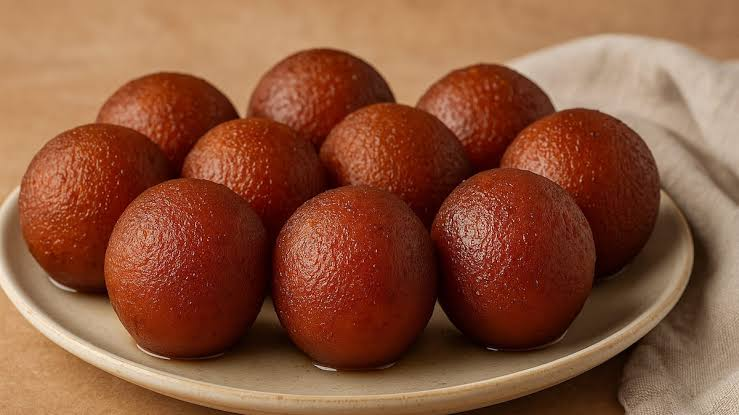
Pantua is a popular Bengali sweet known for its soft texture, deep caramelized color, and delicious sugar syrup. Made primarily from milk solids or chhena, this traditional mithai is shaped into small balls and deep-fried before being soaked in fragrant syrup. The result is a soft, juicy sweet with a lightly crisp exterior and rich milky flavor.
Often enjoyed during festivals, weddings, family celebrations, and traditional Bengali meals, this dessert represents the creativity and diversity of Bengal’s sweet-making traditions. At Saagar, we celebrate India’s regional cuisine by bringing authentic flavors and traditional recipes to our guests.
What Is Pantua?
Pantua is a traditional Bengali mithai prepared using ingredients such as chhena, khoya, flour, and sugar. The ingredients are combined into a soft dough, shaped into small oval or round pieces, and deep-fried until they develop a characteristic dark golden-brown color.
After frying, the pieces are immersed in warm sugar syrup. They absorb the syrup gradually, becoming soft, moist, and flavorful.
Unlike some lighter milk-based Bengali sweets, this preparation has a richer, more caramelized taste because of the frying process. Its combination of a slightly firm exterior and syrup-soaked interior makes it especially appealing to sweet lovers.
At Saagar, we appreciate traditional desserts that showcase the craftsmanship of Indian confectionery.
The Bengali Tradition Behind Pantua
Bengal has a long and celebrated history of sweet-making. Milk, chhena, sugar, jaggery, and other simple ingredients have been transformed into countless regional desserts over generations.
Pantua became an important part of this tradition and is often associated with Bengali festivities and hospitality. Bengali households have developed different versions depending on local ingredients and family recipes.
Although modern sweet shops offer many variations, traditional preparation continues to be valued for its distinctive texture and rich flavor.
At Saagar, we proudly celebrate the culinary traditions that have helped make Bengali sweets famous across India.
Why Pantua Sweet Is So Popular
There are several reasons why this dessert remains a favorite.
Soft and Juicy Texture
The fried sweet absorbs sugar syrup, creating a moist and satisfying bite.
Rich Caramelized Flavor
Deep frying gives the outer surface a darker color and slightly toasted taste.
Milky Taste
Chhena and milk solids provide a rich dairy flavor.
Festive Appeal
It is a popular choice for celebrations and special occasions.
Traditional Identity
It represents the creativity and heritage of Bengali confectionery.
At Saagar, we believe authentic desserts can turn an ordinary meal into a memorable dining experience.
Traditional Ingredients
A classic preparation can include:
- Fresh chhena
- Khoya or mawa
- All-purpose flour
- Semolina
- Sugar
- Cardamom
- Ghee or cooking oil
- Water
- Rose water, optional
The exact combination varies between recipes. Some versions use more chhena for a softer texture, while others contain a greater proportion of khoya for a richer flavor.
Cardamom or rose water may be added to the syrup to provide a pleasant aroma.
At Saagar, quality ingredients play an important role in creating flavorful traditional sweets.
How It Is Traditionally Prepared
The preparation requires patience and attention to texture.
First, fresh chhena and khoya are kneaded together until they form a smooth mixture. Flour or semolina may be added to help bind the ingredients. The mixture is then divided into small portions and shaped.
The pieces are deep-fried slowly over controlled heat. This allows them to develop an even golden-brown to deep brown exterior without burning.
Meanwhile, sugar syrup is prepared separately. Once the fried pieces are ready, they are transferred into the warm syrup and allowed to soak.
As they rest, the sweets absorb the syrup and develop their characteristic juicy texture.
At Saagar, our chefs follow careful preparation techniques to maintain the traditional character of Bengali desserts.
Pantua vs Gulab Jamun
One common question among dessert lovers is Pantua vs Gulab Jamun. Although the two sweets look similar and are both fried and soaked in sugar syrup, they have important differences.
Pantua is strongly associated with Bengali cuisine and commonly uses chhena along with milk solids. Its flavor can be deeper and more caramelized because of the frying process.
Gulab jamun, on the other hand, is traditionally associated with khoya or milk powder-based dough and is widely prepared across India and South Asia. It is often flavored with rose water, cardamom, or saffron.
Both are delicious, but their ingredients, regional traditions, textures, and preparation methods can differ considerably.
Pantua Misti and Bengali Celebrations
Pantua misti has a strong connection with Bengali celebrations. Bengali culture places great importance on offering sweets to guests during joyful occasions.
This dessert may be served during:
- Weddings
- Durga Puja
- Bengali New Year
- Birthdays
- Family gatherings
- Religious celebrations
- Festive meals
It is also commonly purchased from traditional sweet shops as a gift when visiting friends and relatives.
At Saagar, we believe traditional sweets are an important part of India’s celebration culture.
Pantua Mithai for Dessert Lovers
As a popular pantua mithai, this sweet offers a combination of textures that makes it particularly satisfying. The outer layer has a slightly firmer texture from frying, while the inside becomes soft and syrupy.
It can be served warm, at room temperature, or chilled according to preference. Some people enjoy it on its own, while others pair it with tea or other Bengali desserts.
Its rich flavor also makes it a satisfying way to finish a traditional Indian meal.
Best Ways to Enjoy It
This Bengali sweet pairs beautifully with:
- Masala chai
- Bengali tea
- Rabri
- Other Indian sweets
- Traditional Bengali meals
- Fresh fruit
A small serving can be enough to provide a satisfying sweet finish because of its rich syrup and dairy-based ingredients.
Why Choose Saagar?
At Saagar, we are committed to celebrating India’s regional culinary traditions. Our menu brings together dishes inspired by different parts of the country, prepared with carefully selected ingredients and traditional techniques.
From savory regional specialties to classic Indian desserts, our goal is to give guests an opportunity to discover authentic flavors in a welcoming dining environment.
Conclusion
Pantua is a delicious Bengali sweet that combines milk-based ingredients, deep-frying, and fragrant sugar syrup to create a distinctive dessert. Its soft interior, caramelized exterior, and rich flavor have made it a cherished part of Bengali food culture.
Whether you are comparing pantua vs gulab jamun, discovering traditional pantua sweet, or simply looking for an authentic pantua mithai experience, this dessert offers a wonderful introduction to Bengal’s rich confectionery traditions.
At Saagar, we proudly celebrate India’s diverse culinary heritage by serving traditional flavors inspired by regional recipes. Enjoy this classic Bengali dessert and discover the rich traditions behind one of eastern India’s most beloved sweets.