
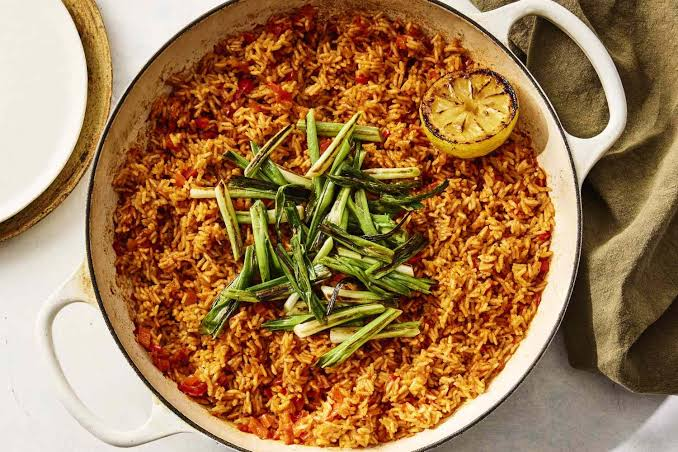
Red rice is a traditional variety of rice recognized for its naturally reddish-brown color, earthy flavor, and slightly chewy texture. Unlike polished white rice, this grain generally retains more of its outer layers, giving it a distinctive appearance and a hearty character. It has been an important part of traditional diets in several parts of India, particularly in Kerala and other southern regions.
At Saagar, we celebrate India’s diverse culinary heritage by bringing traditional ingredients and regional flavors to the dining table. Red rice is a wonderful example of how an everyday staple can offer both cultural significance and a unique dining experience.
What Is Red Rice?
Red rice refers to rice varieties that have a naturally reddish outer layer. The color comes from pigments present in the bran, while the grain itself can range from light red to deep reddish-brown depending on the variety.
Because the outer layers are retained to a greater extent than in highly polished rice, the grain has a firmer texture and more pronounced flavor. It can be used in everyday meals, traditional rice dishes, salads, and regional preparations.
Different varieties are grown in different parts of India, each with its own texture, aroma, and cooking characteristics.
At Saagar, we appreciate ingredients that connect traditional food practices with India’s rich agricultural heritage.
The History of Red Rice in India
Rice has been cultivated in India for thousands of years, and numerous indigenous varieties have developed across different regions. Red-grained varieties have traditionally been grown in areas where local climate and farming practices are particularly suited to them.
In southern India, certain varieties have become closely associated with regional cuisines. Kerala, in particular, is known for its traditional rice varieties, which are commonly served alongside vegetables, lentils, seafood, and other local dishes.
These grains have remained important because they fit naturally into traditional meals and cooking practices.
At Saagar, we proudly celebrate regional ingredients that have been passed down through generations.
Kerala Red Rice
Kerala red rice is among the best-known traditional varieties associated with South Indian cuisine. Often recognized by its larger grains and reddish-brown appearance, it is commonly served as part of traditional Kerala meals.
It pairs especially well with dishes such as sambar, avial, thoran, rasam, vegetable curries, and coconut-based preparations. Its firm texture allows it to complement flavorful gravies without becoming overly soft.
A traditional Kerala meal served on a banana leaf often highlights the importance of rice as the central component, surrounded by a variety of vegetable, lentil, and curry preparations.
At Saagar, we value the traditions behind regional Indian meals and the ingredients that make them distinctive.
Red Rice Benefits
Many people are interested in red rice benefits because the grain retains more of its natural outer layers than highly polished varieties. These layers contain naturally occurring fiber and plant compounds.
As part of a balanced diet, it can be a satisfying alternative to more heavily processed grains. Its firm texture can also make meals feel substantial and filling.
However, no single food provides everything the body needs. The nutritional value of a meal depends on the overall combination of grains, vegetables, pulses, proteins, fruits, and other foods.
Choosing a variety of whole and minimally processed foods can be a useful approach to maintaining a balanced diet.
How Red Rice Is Cooked
Cooking this traditional grain usually requires more water and time than cooking polished white rice. The exact method depends on the variety and how much of the outer layer remains.
A general preparation involves:
- Washing the rice thoroughly.
- Soaking it for several hours if required.
- Adding it to sufficient water.
- Cooking until the grains become tender.
- Allowing the cooked rice to rest briefly.
- Draining any excess water if using an open-pot method.
- Serving it hot with traditional accompaniments.
Soaking can help reduce cooking time and may produce a more evenly cooked texture.
At Saagar, careful preparation helps bring out the distinctive character of traditional grains.
Red Rice in Tamil Cuisine
The phrase red rice in Tamil can refer to traditional reddish rice varieties used in Tamil-speaking regions and discussions about regional grains. Rice has always been central to Tamil cuisine, appearing in countless everyday and festive preparations.
Traditional rice varieties can be enjoyed with sambar, kuzhambu, rasam, poriyal, kootu, curd, and various vegetable preparations. Their distinctive textures can add another dimension to a traditional South Indian meal.
Regional terminology can vary, so the exact variety referred to by a particular name may differ from one location to another.
At Saagar, we celebrate the regional diversity of South Indian cuisine and its many traditional ingredients.
Red Rice Price and Availability
The red rice price can vary considerably depending on the variety, growing region, processing method, brand, packaging, and availability. Traditional or specialty varieties may cost more than commonly available polished rice because of production and sourcing differences.
Prices can also change according to season and market conditions. When purchasing, it is useful to check the specific variety, origin, grain quality, and processing method rather than comparing prices alone.
At restaurants, availability may also depend on the menu and sourcing of regional ingredients.
Best Dishes to Serve With It
This flavorful grain works beautifully with many Indian dishes.
Some popular accompaniments include:
- Sambar
- Rasam
- Avial
- Vegetable thoran
- Dal
- Coconut-based curries
- Vegetable kootu
- Pickles
- Curd
- Fish curry
The slightly firm texture makes it particularly enjoyable with gravies because the grains remain distinct while absorbing the flavors of the accompanying dishes.
At Saagar, our chefs combine traditional ingredients with carefully prepared regional dishes to create a balanced dining experience.
Why Traditional Rice Varieties Matter
India is home to an extraordinary range of rice varieties, each connected to particular regions, farming communities, and culinary traditions. Preserving these varieties helps maintain agricultural diversity while keeping traditional food cultures alive.
Red-grained rice varieties demonstrate how naturally occurring differences in color, texture, and flavor can create distinctive culinary experiences.
Exploring such ingredients also gives diners an opportunity to discover regional food traditions beyond commonly served polished rice.
Why Choose Saagar?
At Saagar, we are committed to celebrating authentic Indian cuisine and regional culinary traditions. Our approach focuses on quality ingredients, traditional cooking methods, and flavors inspired by different parts of India.
Whether you enjoy rice with a comforting curry, a traditional South Indian meal, or a variety of vegetable preparations, we aim to provide a dining experience that respects the heritage behind every dish.
Conclusion
Red rice is a flavorful traditional grain with a distinctive appearance, firm texture, and strong connection to regional Indian cuisine. From Kerala red rice to varieties associated with southern Indian food traditions, it demonstrates the incredible diversity of rice cultivated and enjoyed across the country.
Its natural character makes it an excellent companion for curries, vegetables, lentils, and traditional accompaniments. At Saagar, we proudly celebrate these regional ingredients and the culinary traditions surrounding them, giving guests an opportunity to experience the authentic flavors of India’s diverse food culture.