
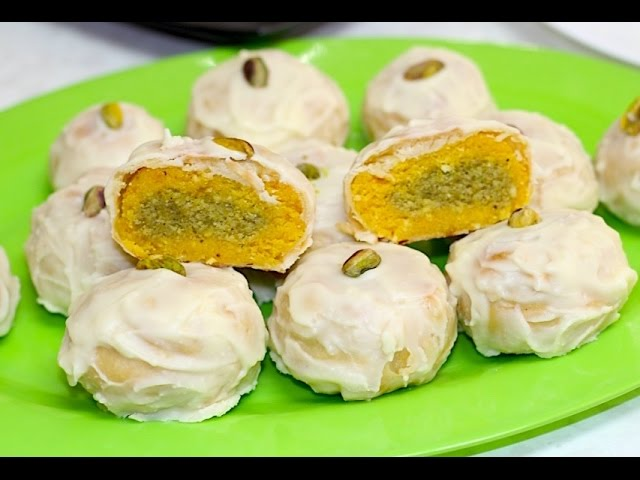
Indian cuisine is filled with sweets that reflect the traditions, celebrations, and culinary creativity of different regions. Ghari is one such traditional delicacy, known for its rich filling, soft texture, and indulgent flavor. Originating from Gujarat, this sweet has become especially associated with festive occasions and the vibrant food culture of Surat.
At Saagar, traditional Indian cuisine is about more than just familiar dishes. It is also about discovering regional specialties and the stories behind them. Ghari offers a delicious introduction to Gujarat’s distinctive sweet-making traditions.
What Is Ghari?
Ghari is a rich Gujarati sweet made with a pastry-like outer covering and a filling that commonly contains mawa or milk solids, ghee, sugar, and nuts. The sweet is usually shaped into a round, flattened form and generously coated or finished with ghee.
Its texture can vary depending on the preparation. The outer layer may have a slightly firm texture, while the filling is soft, dense, creamy, and intensely flavorful.
Unlike lighter Indian sweets, Ghari is known for its richness. A small portion can be quite satisfying, making it a dessert that is traditionally enjoyed in moderation.
The Connection Between Ghari and Surat
Ghari has a particularly strong connection with Surat in Gujarat. It is widely associated with the city’s food culture and is especially popular during the festival of Chandani Padva.
The festival is celebrated after Diwali and is traditionally connected with enjoying the moonlit night with family and loved ones. Ghari became an important part of the occasion and eventually developed into one of Surat’s recognizable festive specialties.
Today, different sweet makers prepare their own versions, using variations in fillings, toppings, and flavors.
What Is Ghari Made From?
Traditional Ghari typically uses a combination of ingredients that create its characteristic richness.
The outer covering is generally prepared using flour or a similar dough. The filling commonly contains mawa, sugar, ghee, and cardamom. Chopped almonds, pistachios, or other nuts can also be incorporated to add texture.
Ghee is an especially important ingredient because it contributes to both the aroma and richness of the sweet. Cardamom provides a warm fragrance that balances the sweetness.
Modern varieties may include additional flavors such as saffron, pistachio, chocolate, or other ingredients, but traditional preparations remain popular among people who appreciate classic Gujarati sweets.
How Is Ghari Traditionally Prepared?
Making Ghari requires careful preparation because both the outer covering and filling need the right consistency.
First, the filling is prepared by combining ingredients such as mawa, sugar, ghee, cardamom, and nuts. The mixture is shaped into small portions and allowed to become firm enough to handle.
A dough is then prepared for the outer covering. Portions of the dough are rolled and filled with the prepared mixture. The edges are sealed carefully before the sweet is shaped into its familiar round form.
The prepared sweets are cooked until the outer layer develops the desired texture. Ghee is then used generously to enhance the richness. Depending on the recipe, additional nuts or other toppings may be added before serving.
Because the filling is rich and delicate, traditional preparation requires attention to temperature, texture, and proportions.
Different Varieties of Ghari
Although the traditional version remains widely loved, several variations can be found today. Different sweet shops and families may use their own recipes.
Some varieties emphasize the classic mawa and cardamom filling, while others include saffron, pistachio, almonds, or additional flavors. Contemporary versions may also experiment with ingredients that appeal to younger dessert lovers.
Despite these variations, the essential character remains the same: a rich filling enclosed in a delicate outer layer.
When Is Ghari Traditionally Enjoyed?
Ghari is particularly popular during festivals and special occasions. It is closely connected with Chandani Padva celebrations in Gujarat and is also enjoyed during family gatherings, weddings, and other festive events.
Because of its richness, it is often served as a special treat rather than an everyday dessert.
Sharing sweets during festivals is an important part of Indian food culture. Traditional desserts like this one help bring families and communities together while preserving regional culinary traditions.
What Does It Taste Like?
The flavor is rich, creamy, sweet, and aromatic. The mawa-based filling provides a deep dairy flavor, while ghee adds richness and a pleasant fragrance.
Cardamom brings warmth to the filling, and nuts can provide a contrasting crunch. Depending on the variety, saffron may contribute a subtle floral aroma and distinctive flavor.
The combination creates a dessert that is considerably richer than many everyday Indian sweets. For first-time diners, starting with a small portion is a good way to appreciate its flavors.
Why Try Ghari at Saagar?
Saagar provides an opportunity to explore the wide variety of flavors found across Indian cuisine. Regional sweets are an important part of that experience because they reveal how ingredients and traditions differ from one part of the country to another.
Ghari is an excellent choice for diners who enjoy rich Indian desserts or want to discover a traditional Gujarati specialty. Its festive history, distinctive texture, and indulgent filling make it a memorable way to finish a meal.
Whether enjoyed after a flavorful Indian dinner or shared with family and friends, this sweet brings a traditional touch to the dining experience.
Conclusion
Ghari is a celebrated Gujarati sweet with a particularly strong connection to Surat and its festive food culture. Its rich mawa filling, ghee, aromatic cardamom, nuts, and delicate outer layer create a distinctive dessert that has remained popular across generations.
From festive celebrations to restaurant dessert menus, it continues to represent the richness and diversity of Indian sweets. At Saagar, discovering regional delicacies like Ghari is a wonderful way to explore the traditions behind India’s diverse culinary heritage.