
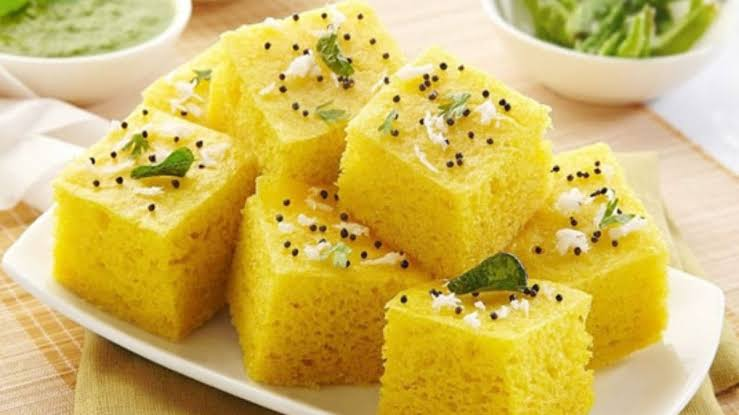
Gujarati cuisine is celebrated for its balance of sweet, savory, tangy, and spicy flavors. Among its most recognizable dishes is dhokla, a soft and airy steamed snack that has become popular far beyond Gujarat. Light in texture and full of flavor, it can be enjoyed for breakfast, as a tea-time snack, or as part of a larger Indian meal.
At Saagar, traditional Indian cuisine brings together flavors from different regions, allowing guests to explore dishes that have become an important part of India’s culinary heritage. Learning about a traditional dhokla recipe is a great way to understand what makes this Gujarati favorite so special.
What Is Dhokla?
Dhokla is a steamed savory cake traditionally prepared using fermented batter. Depending on the variety, the batter can be made from rice and lentils, chickpea flour, or other ingredients.
One of its defining characteristics is its soft and spongy texture. Unlike many fried Indian snacks, dhokla is steamed, giving it a light consistency while allowing it to absorb the flavors of its toppings and tempering.
It is commonly cut into small squares or diamond-shaped pieces and served with chutney.
Traditional Ingredients
The ingredients used depend on the type of dhokla being prepared. A traditional version may use rice and split lentils, while instant varieties commonly use gram flour, also known as besan.
Other ingredients can include yogurt, ginger, green chili, lemon juice, salt, and a leavening or fermentation agent. These ingredients help create the characteristic soft texture and mildly tangy flavor.
The finished pieces are often topped with a tempering made from mustard seeds, sesame seeds, curry leaves, green chilies, and sometimes grated coconut or fresh coriander.
Dhokla Recipe: Step-by-Step Preparation
A traditional preparation begins with making the batter. If using rice and lentils, they are soaked separately before being ground into a smooth or slightly coarse mixture. The batter is then allowed to ferment for several hours.
For an instant version, gram flour can be combined with yogurt or water along with spices and other ingredients. A suitable leavening agent is added shortly before steaming.
Once the batter reaches the desired consistency, it is poured into a greased steaming tray. The batter should not be filled to the very top because it needs room to rise.
The tray is placed in a steamer, where the batter cooks until it becomes firm and spongy. A toothpick or skewer can be inserted into the center to check whether it is cooked properly.
After steaming, the dhokla is allowed to cool slightly before being cut into pieces.
Preparing the Tempering
The tempering is an important part of the dish because it adds aroma, texture, and extra flavor.
A small amount of oil is heated, and mustard seeds are added. Once they begin to crackle, ingredients such as sesame seeds, curry leaves, and sliced green chilies can be added.
This fragrant mixture is then poured over the steamed pieces. Fresh coriander can be added as a garnish.
Some preparations also use a light mixture of water, sugar, and lemon juice, which is poured over the pieces to make them moist and mildly sweet-tangy.
What Makes Dhokla Soft and Spongy?
Achieving a soft texture is one of the most important parts of making dhokla. Several factors can affect the final result.
The batter needs the right consistency. If it is too thick, the finished snack may become dense. If it is too thin, it may not rise properly.
For fermented varieties, adequate fermentation is also important. The batter needs enough time to develop air and acidity naturally.
Steaming should be done at an appropriate temperature, and the steamer should already be hot when the batter is placed inside.
For instant versions, the leavening agent should generally be added shortly before steaming so that the batter retains its ability to rise.
How Is Dhokla Served?
Dhokla is traditionally served as a snack or light meal. It pairs particularly well with green chutney, sweet tamarind chutney, or other flavorful accompaniments.
Fresh coriander, grated coconut, and a mustard-seed tempering can add additional flavor and color.
Because the pieces are easy to share, dhokla is also suitable for family gatherings, celebrations, breakfast tables, and afternoon tea.
Different Varieties of Dhokla
There are several varieties of dhokla, reflecting the diversity of Gujarati cooking. Khaman is one of the most widely recognized varieties and is typically made with gram flour.
Other versions use fermented rice and lentil batter, while some regional preparations include different grains, spices, or cooking techniques.
These variations demonstrate how traditional Indian dishes can develop different identities while retaining their basic characteristics.
Why Try Dhokla at Saagar?
Saagar offers guests an opportunity to explore the diverse flavors of Indian cuisine, including regional specialties from western India.
Dhokla is a particularly enjoyable choice for diners who prefer soft, steamed snacks with a combination of savory, tangy, and mildly sweet flavors. Its airy texture and flavorful tempering make it different from many fried Indian snacks.
Enjoying it with chutney can make it a refreshing starter, snack, or light addition to a traditional Indian meal.
Conclusion
A good dhokla recipe combines simple ingredients with careful preparation to create a soft, airy, and flavorful Gujarati snack. From preparing the batter and achieving the right consistency to steaming it properly and adding a fragrant tempering, every step contributes to the final taste and texture.
Whether served at breakfast, enjoyed with tea, or included as part of a larger meal, dhokla remains a beloved part of Indian cuisine. At Saagar, discovering traditional dishes like this provides a delicious opportunity to experience the regional variety and culinary traditions of India.