
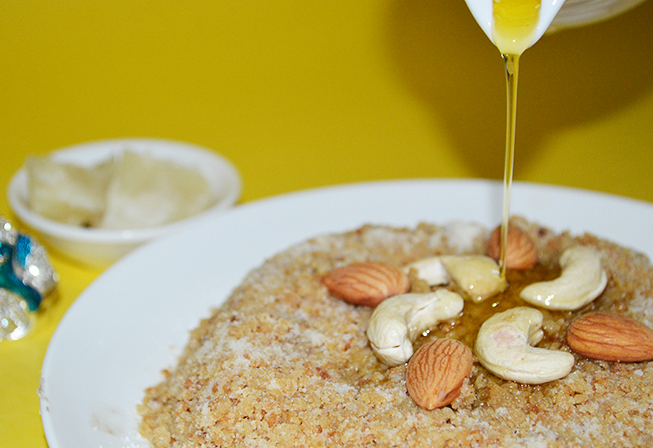
Gujarati cuisine is celebrated for its flavorful snacks, comforting meals, and traditional sweets. Among its classic desserts, Kansar holds a special place. Made primarily with wheat, jaggery, ghee, and nuts, this simple sweet has been prepared for generations and is closely associated with Gujarati family traditions and celebrations.
Unlike elaborate Indian desserts that require many ingredients, Kanssar relies on a few basic components to create a rich, aromatic, and satisfying dish. Its soft, slightly grainy texture and deep sweetness make it a comforting dessert for special occasions as well as traditional meals.
At Saagar, exploring regional dishes such as Kansar gives diners an opportunity to discover the diverse culinary heritage of Gujarat.
What Is Kansar?
Kansar is a traditional Gujarati sweet made using coarsely ground wheat, jaggery, and ghee. The wheat is cooked until tender and then combined with melted jaggery and generous amounts of ghee.
The finished dish has a soft yet slightly coarse texture. Cardamom, nuts, or other ingredients may be added to enhance its aroma and flavor.
Kansar is traditionally associated with auspicious occasions, including weddings and religious or family celebrations. In some Gujarati communities, it is served as part of ceremonies and is considered a symbol of sweetness and good wishes.
Ingredients for Kansar
A traditional Kansar preparation requires only a few ingredients:
- 1 cup coarsely ground wheat
- ½–¾ cup jaggery
- 3–4 tablespoons ghee
- 2 cups water
- ½ teaspoon cardamom powder
- Chopped almonds or pistachios
- A small pinch of salt
The quantity of jaggery and ghee can be adjusted according to taste.
How to Make Kansar
Step 1: Prepare the Wheat
Use coarse wheat flour rather than very finely milled flour for the traditional texture.
Heat a heavy-bottomed pan and add a small amount of ghee. Add the wheat and roast it gently over low to medium heat.
Stir continuously so that the wheat cooks evenly without burning. Continue until it develops a pleasant roasted aroma.
Step 2: Cook the Wheat
Gradually add water while stirring carefully. The mixture will begin to thicken as the wheat absorbs the liquid.
Cover the pan and cook over low heat until the wheat becomes soft and fully cooked.
The texture should remain slightly grainy rather than becoming completely smooth.
Step 3: Add Jaggery
Once the wheat is cooked, add grated or finely chopped jaggery.
Mix thoroughly until the jaggery melts and combines with the wheat. Continue cooking for a few minutes so that the flavors blend properly.
Avoid cooking for too long after adding the jaggery, as excessive cooking can make the mixture overly thick.
Step 4: Add Ghee and Cardamom
Add the remaining ghee and mix well. The ghee gives Kansar its characteristic richness and helps create a smooth, moist texture.
Add cardamom powder for fragrance and mix again.
Step 5: Garnish and Serve
Transfer the finished Kansar to a serving bowl. Garnish with chopped almonds, pistachios, or other nuts.
Serve it warm for the best texture and aroma.
What Does Kansar Taste Like?
Kansar has a rich but uncomplicated flavor. Roasted wheat provides an earthy base, while jaggery contributes a deep, caramel-like sweetness.
Ghee adds richness and a distinctive aroma, while cardamom provides a gentle floral note.
The slightly coarse texture of the wheat makes the dessert different from smoother Indian sweets such as kheer or halwa. Every spoonful offers a combination of softness and subtle graininess.
Jaggery and Ghee in Kansar
Two ingredients define much of Kanssar’s traditional character: jaggery and ghee.
Jaggery provides a darker and more complex sweetness than refined sugar. Its earthy flavor works particularly well with roasted wheat.
Ghee adds richness and helps bring the ingredients together. It also contributes the fragrant quality that is commonly associated with traditional Indian sweets.
The balance between these ingredients can be adjusted depending on family traditions and personal preference.
Kansar for Special Occasions
Kansar has a strong connection with Gujarati celebrations. It may be prepared during weddings, religious events, family ceremonies, and other auspicious occasions.
In traditional settings, serving a sweet wheat-based preparation can symbolize happiness, prosperity, and good wishes for an important new beginning.
Because of this cultural connection, Kansar is more than just a dessert for many families—it is part of a larger tradition of celebrating important moments through food.
Variations of Kansar
While the traditional preparation is relatively simple, variations can be created using different ingredients.
Some versions include additional nuts such as cashews, almonds, or pistachios. Cardamom is commonly used, while some cooks may add saffron or other aromatic ingredients for special occasions.
The consistency can also vary. Some preparations are softer and more spoonable, while others are made thicker and more grainy.
These differences reflect the diverse cooking traditions found within Gujarati households.
How to Serve Kansar
Kansar is generally enjoyed warm or at room temperature. It can be served as a dessert after a Gujarati meal or as part of a festive spread.
It pairs naturally with other traditional foods and can be presented in individual bowls for celebrations.
A little extra ghee and chopped nuts on top can enhance its richness and presentation.
Kansar in Gujarati Culinary Heritage
Gujarati cuisine has a strong tradition of transforming grains, pulses, dairy products, jaggery, and spices into flavorful dishes. Kansar represents this culinary philosophy beautifully.
Its ingredients are simple, but careful roasting and cooking create a distinctive combination of aroma, texture, and sweetness.
The dish also demonstrates how food can carry cultural meaning. Recipes prepared for ceremonies often become family traditions that are passed from one generation to another.
Why Try Kansar at Saagar?
At Saagar, guests can explore Indian cuisine through dishes representing different regional traditions. Kansar is an excellent choice for diners who enjoy traditional Indian sweets with a rustic texture and rich jaggery flavor.
Its combination of roasted wheat, ghee, cardamom, and nuts makes it a comforting dessert that offers something different from more widely known Indian sweets.
Conclusion
Kansar is a traditional Gujarati sweet that transforms simple ingredients into a rich and flavorful dessert. Coarsely ground wheat, jaggery, ghee, cardamom, and nuts create a distinctive combination of earthy sweetness and aromatic richness.
Often associated with weddings, religious occasions, and family celebrations, Kansar represents both the simplicity of Gujarati cooking and the cultural importance of food. At Saagar, discovering traditional dishes like Kansar offers food lovers a delicious way to experience India’s diverse regional culinary heritage.