
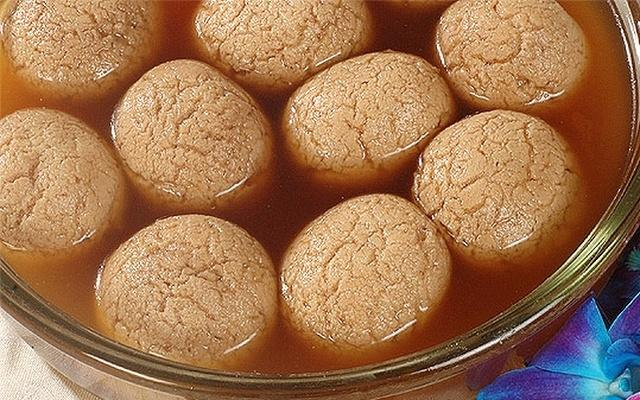
Bengali cuisine is celebrated for its rich flavors, seasonal ingredients, and remarkable variety of sweets. Among its most distinctive ingredients is Nolen Gur, a fragrant form of jaggery traditionally made from the sap of date palm trees. Deeply connected with winter in Bengal, this natural sweetener is used in many beloved Bengali desserts and adds a unique caramel-like flavor that is difficult to replicate.
For food lovers exploring Indian regional cuisine, Nolen Gur offers more than sweetness. It represents a seasonal tradition and an important part of Bengali culinary culture. At Saagar, discovering ingredients like this can be a wonderful way to appreciate the diverse flavors that have shaped Indian food traditions.
What Is Nolen Gur?
Nolen Gur is a type of jaggery made from the fresh sap of date palm trees. The sap is traditionally collected during the cooler months and then processed to create a sweet, aromatic product.
Unlike ordinary cane sugar, this jaggery has a distinctive fragrance and a deeper flavor. Depending on how it is prepared, it can be available as a liquid syrup or in a more solid form.
Its rich aroma and smooth sweetness make it particularly popular in Bengali desserts. It is strongly associated with winter because the collection of fresh date palm sap is traditionally a seasonal activity.
How Is It Traditionally Made?
The production of Nolen Gur is closely connected with traditional date palm cultivation. During the cooler season, skilled palm sap collectors, often known as gachhis, collect sap from date palm trees.
The fresh sap is gathered in containers and then heated to reduce its water content. As the liquid slowly thickens, it develops a characteristic golden to dark color and a rich aroma.
Depending on the desired consistency, the finished product can remain in liquid form or be cooked further to produce a thicker jaggery. Traditional preparation methods vary, but careful heating is essential for developing its characteristic flavor.
Because the fresh sap is highly perishable, processing it soon after collection is an important part of the traditional method.
The Flavor of Nolen Gur
One of the reasons this jaggery is so popular is its distinctive flavor. It has a deep sweetness accompanied by caramel-like, earthy, and slightly smoky notes.
Its aroma is also an important part of the experience. Even a small amount can give a dessert a recognizable Bengali character.
Compared with refined sugar, it provides a more complex taste. This makes it particularly useful in traditional sweets where the sweetener itself plays an important role in the overall flavor.
Nolen Gur in Bengali Desserts
Bengali cuisine uses Nolen Gur in many winter specialties. It is especially famous for its role in traditional sweets and rice-based desserts.
One of the most recognizable examples is Nolen Gur Payesh, a creamy rice pudding sweetened with date palm jaggery. The ingredient is also used in various types of pitha, a broad family of Bengali rice-based delicacies traditionally prepared during winter.
It can also be incorporated into sandesh and other Bengali sweets. In some preparations, the jaggery is used as a filling, while in others it becomes part of the sweet mixture itself.
These dishes demonstrate how a seasonal ingredient can influence an entire part of a region’s culinary calendar.
Why Is It a Winter Specialty?
The connection between Nolen Gur and winter is one of its most interesting characteristics. Traditional date palm sap collection is associated with the cooler months, making fresh jaggery a seasonal product.
This seasonality has helped create a strong cultural connection between winter and Bengali desserts. Families and sweet makers look forward to the arrival of fresh jaggery and use it to prepare special treats during the season.
As a result, it is not simply an ingredient—it is part of a seasonal food tradition passed down through generations.
Nolen Gur and Bengali Food Culture
Food traditions often reflect the environment and agricultural practices of a region. Nolen Gur is a good example of this relationship. Its production depends on date palm trees, seasonal weather, traditional skills, and local culinary knowledge.
The ingredient has become particularly important in Bengali food culture because of the way it connects seasonal harvesting with celebrations and homemade desserts.
For people unfamiliar with Bengali cuisine, trying a dessert made with this jaggery can provide an introduction to the region’s distinctive approach to sweetness and flavor.
Enjoying Bengali Flavors at Saagar
Saagar celebrates the variety of Indian cuisine by bringing together dishes and flavors inspired by different culinary traditions. Ingredients such as Nolen Gur highlight how regional Indian food can be shaped by local produce and seasonal customs.
If you enjoy discovering traditional sweets and lesser-known ingredients, Bengali-inspired desserts made with date palm jaggery are worth exploring. Their fragrant sweetness provides a different experience from desserts made primarily with refined sugar.
Whether enjoyed in a traditional pudding, pitha, or another Bengali sweet, this ingredient can add depth and character to the dining experience.
Conclusion
Nolen Gur is much more than a traditional sweetener. Made from date palm sap and closely associated with winter in Bengal, it represents a fascinating combination of seasonal harvesting, traditional craftsmanship, and regional cuisine.
Its distinctive aroma, rich sweetness, and caramel-like flavor have made it an essential ingredient in many Bengali desserts. From payesh to pitha and other traditional sweets, it helps give wintertime Bengali cuisine its special identity.
For anyone interested in exploring India’s diverse food traditions, discovering Nolen Gur is a delicious way to experience the seasonal flavors and culinary heritage of Bengal. At Saagar, it can serve as an introduction to the rich and varied world of Indian regional cuisine.