
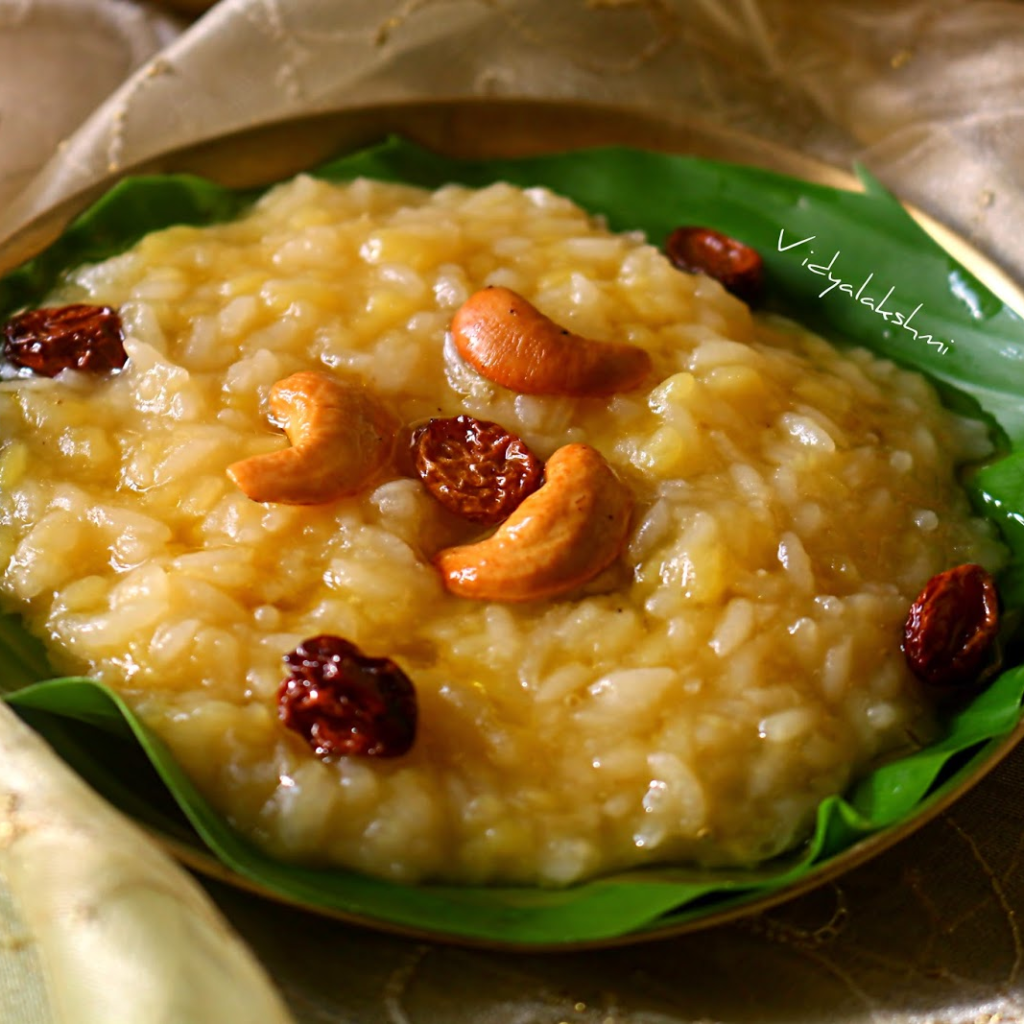
Indian cuisine beautifully blends food with faith, seasons, and celebration. One such dish that represents gratitude, tradition, and warmth is sweet pongal. Deeply rooted in South Indian culture, this beloved preparation is more than just a dessert—it is a symbol of prosperity and thankfulness. At Saagar, we honor such timeless dishes that reflect India’s culinary soul and festive spirit.
Sweet pongal is a traditional South Indian dish made using rice, split yellow moong dal, jaggery, ghee, and aromatic spices. It is primarily prepared during the harvest festival of Pongal, celebrated in Tamil Nadu and other southern states. The dish is offered to the Sun God as a gesture of gratitude for abundance and good harvest.
What Is Sweet Pongal?

Unlike many desserts that focus only on sweetness, this dish balances rich flavors with subtle textures, making it comforting and satisfying. Its soft, melt-in-the-mouth consistency is one of the reasons it continues to be cherished across generations.
The word “pongal” means “to boil over,” symbolizing abundance and overflow of happiness. During the festival, families cook this dish in new pots, often outdoors, allowing the contents to overflow as a sign of prosperity.
Sweet pongal holds a sacred place in temple offerings and festive meals. It is commonly prepared early in the morning and shared with family, neighbors, and friends. At Saagar, we respect this cultural depth and aim to preserve the authenticity behind such iconic preparations.
Ingredients That Define the Dish

The magic of this festive preparation lies in its humble yet powerful ingredients:
- Raw rice
- Split yellow moong dal
- Jaggery
- Pure ghee
- Cashews and raisins
- Cardamom
Each ingredient plays a vital role. Rice and dal provide body and texture, jaggery lends deep sweetness, while ghee adds richness and aroma. Cardamom enhances the flavor profile, giving the dish its unmistakable festive fragrance.
A classic sweet pongal recipe begins by roasting moong dal lightly until aromatic. The dal and rice are then cooked together until soft and creamy. Separately, jaggery is melted and strained to remove impurities before being mixed into the cooked rice and dal.
The dish is finished with generous ghee tempering, roasted cashews, raisins, and cardamom. The result is a rich, smooth preparation that feels both nourishing and celebratory.
Many people search for how to make sweet pongal at home, especially during festivals, because the process is simple yet deeply satisfying.
Sweet Pongal Recipe: Traditional Method

In Tamil households, the preparation follows age-old customs. Those looking for a sweet pongal recipe in Tamil often focus on maintaining the correct texture—not too thick, not too thin. The dish is typically served warm, fresh from the pot, enhancing its aroma and taste.
The preparation is often accompanied by prayers and rituals, emphasizing that food is not just nourishment but an offering of gratitude.
Sweet pongal has a soft, porridge-like consistency with a rich, buttery mouthfeel. The sweetness from jaggery is earthy rather than sharp, perfectly balanced by the nuttiness of roasted dal and ghee.
Every bite delivers warmth, comfort, and nostalgia. The occasional crunch from cashews and chewiness from raisins add delightful contrast, making it a well-rounded festive dish.
How It Is Served at Saagar
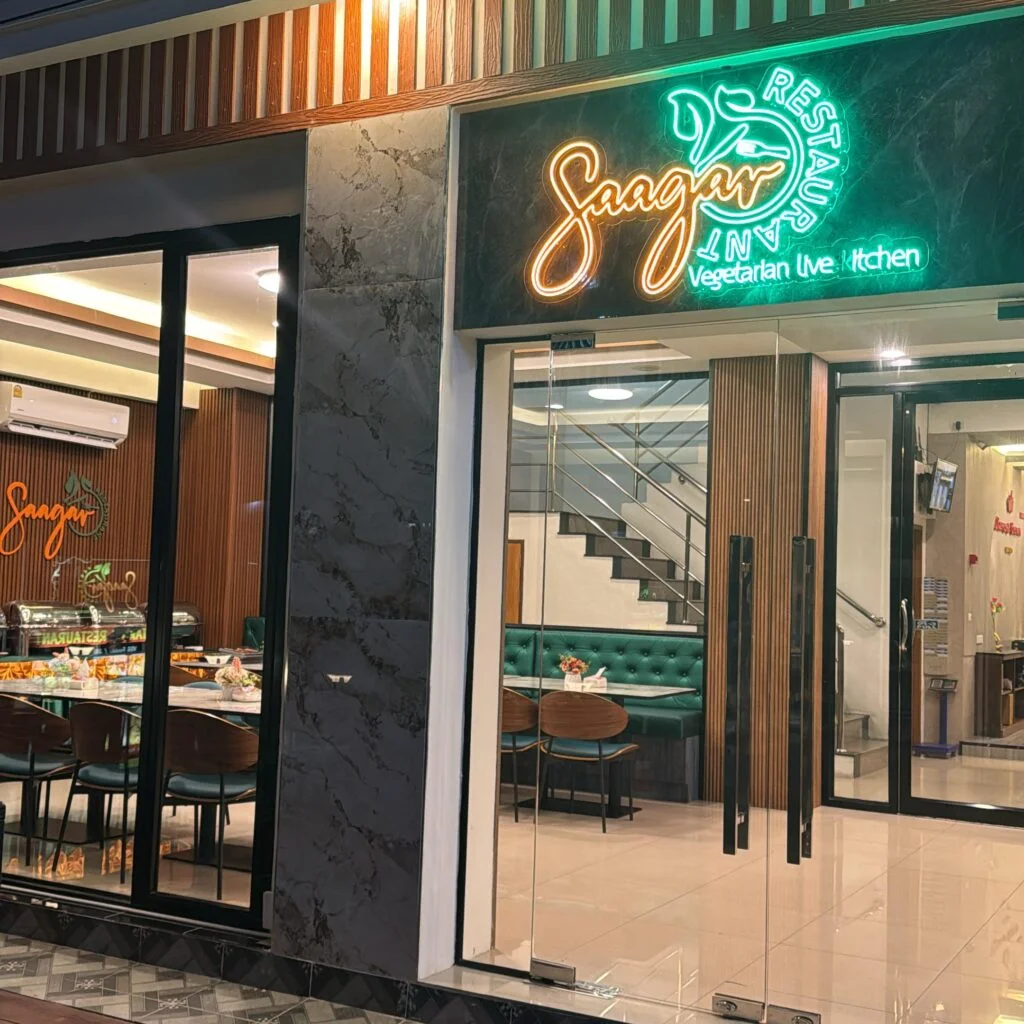
One reason for its enduring popularity is its simplicity. Despite using basic ingredients, the dish feels luxurious and fulfilling. It appeals to all age groups—from children who enjoy its sweetness to elders who appreciate its traditional roots.
At Saagar, we believe dishes like this connect diners to India’s culinary heritage, offering not just taste but emotional comfort.
At Saagar, traditional dishes are prepared with authenticity and care. Sweet pongal is served warm, with the right balance of sweetness and ghee, ensuring a comforting and festive experience.
It can be enjoyed as a dessert or as part of a traditional South Indian meal, especially during festivals and special occasions. Our approach respects the original recipe while maintaining consistency and quality expected in a restaurant setting.
Frequently Asked Questions (FAQs)
How to make sweet pongal?
Sweet pongal is made by cooking rice and moong dal together, adding melted jaggery, and finishing with ghee, cardamom, cashews, and raisins. It is best served warm.
How to prepare sweet pongal in Tamil?
In Tamil tradition, the dish is prepared during Pongal festival using newly harvested rice. It is cooked until soft, mixed with jaggery syrup, and offered as prasadam before being served.