
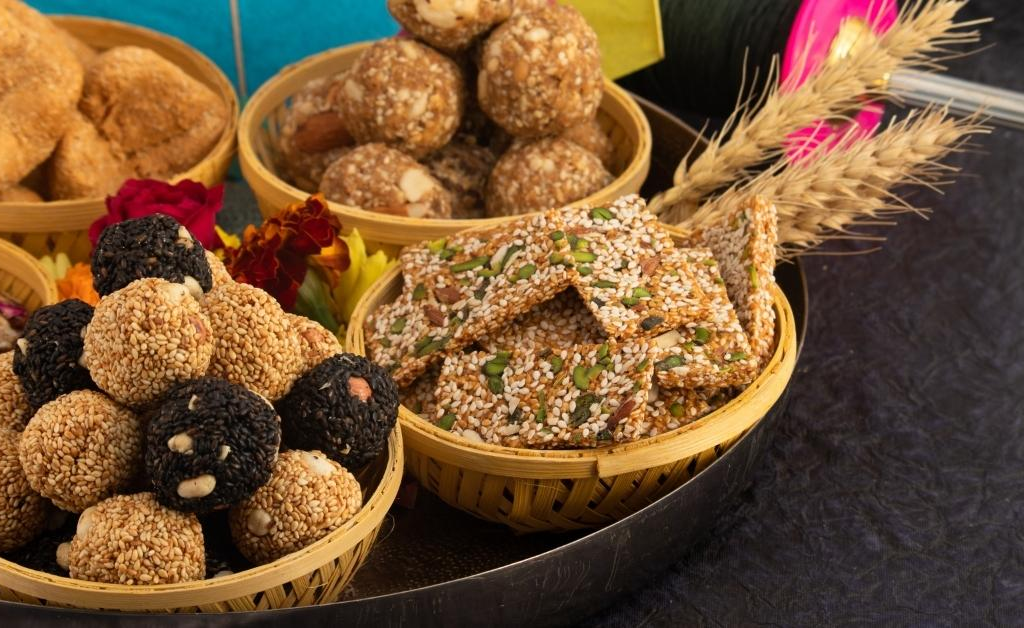
Indian cuisine is not just about flavors—it is deeply connected to traditions, seasons, and emotions. One such timeless preparation is til gul, a sweet delicacy that carries cultural meaning far beyond its simple ingredients. Especially popular during the festival of Makar Sankranti, this sesame-and-jaggery treat symbolizes harmony, warmth, and togetherness.
At Saagar, we value dishes and sweets that celebrate India’s rich culinary heritage, and this classic holds a special place in that story.
What Is Til Gul?
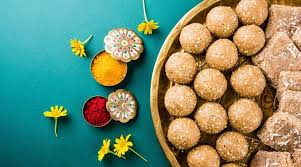
Til gul is a traditional Indian sweet made primarily from roasted sesame seeds (til) and jaggery (gul). It is most commonly shaped into laddus, though variations also include chikkis and polis. The combination is simple, yet powerful—nutty sesame seeds blended with the deep sweetness of jaggery.
The phrase “til gul ghya god god bola” is often spoken while sharing this sweet, meaning “accept these sesame and jaggery sweets and speak sweet words.” This saying beautifully reflects the essence of the dish: spreading sweetness in relationships.
This delicacy is closely associated with Makar Sankranti, a harvest festival celebrated across India in different forms. In Maharashtra, exchanging til gul is a cherished ritual that marks the transition of the sun into Capricorn and the beginning of longer days.
The Marathi expression til gul ghya god god bola marathi is more than a festive greeting—it represents forgiveness, harmony, and new beginnings. Sharing this sweet is believed to encourage kindness and positive communication in the coming year.
Ingredients That Define the Sweet
The beauty of this preparation lies in its minimalism. The core ingredients include:
- White or black sesame seeds
- Jaggery
- A small amount of clarified butter or neutral fat (optional)
- Cardamom for aroma (optional)
These ingredients are roasted and combined carefully to ensure the perfect balance of crunch and sweetness. Despite its simplicity, the process requires attention to detail for the best texture and flavor.
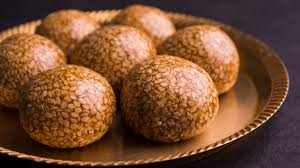
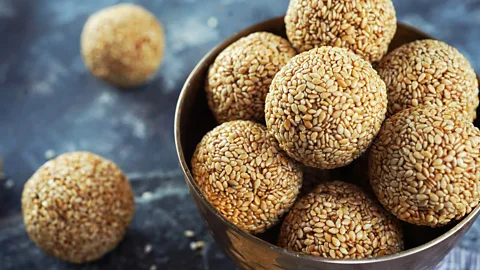
Among the many variations, til gul ke laddu are the most widely loved. These round, bite-sized sweets are easy to share and store, making them ideal for festive gifting.
The laddus have a rich, nutty taste and a pleasant chewiness from melted jaggery. Their rustic appearance adds to their charm, reminding us of homemade goodness and traditional kitchens.
At Saagar, we draw inspiration from such classics to preserve authenticity while maintaining consistent quality.
Til gul has a warm, earthy flavor profile. The roasted sesame seeds offer a deep nuttiness, while jaggery provides a mellow sweetness with caramel-like notes. Together, they create a comforting taste that feels especially satisfying during winter months.
The texture can vary from soft and chewy to slightly crisp, depending on preparation style. This versatility is one reason the sweet remains popular across generations.
Why Til Gul Is Enjoyed in Winter
Sesame seeds and jaggery are traditionally consumed during colder seasons. They are believed to provide warmth and sustained energy, which makes this sweet especially relevant during January celebrations.
The dish is not overly rich, yet it feels indulgent—perfect for enjoying after meals or with a cup of tea. This balance makes it a timeless favorite in Indian households and festive menus.
While rooted in tradition, til gul continues to find relevance in modern times. Many people today appreciate traditional sweets made from familiar, natural ingredients rather than overly processed desserts.
Restaurants like Saagar help keep such classics alive by honoring their original essence while presenting them in a refined, hygienic, and consistent manner suitable for today’s diners.
Traditionally, til gul is exchanged among friends, family, neighbors, and colleagues during Makar Sankranti. It is often packed in small boxes or wrapped neatly as a token of goodwill.
In a restaurant setting, it can be served as a festive dessert or part of a seasonal sweet platter, allowing guests to experience cultural flavors alongside their meals.
Frequently Asked Questions (FAQs)
How to prepare til gul poli?
Til gul poli is prepared by making a stuffing of roasted sesame seeds and jaggery, which is then filled inside soft dough and rolled into flatbreads. These are cooked gently on a pan until evenly done and served warm.