
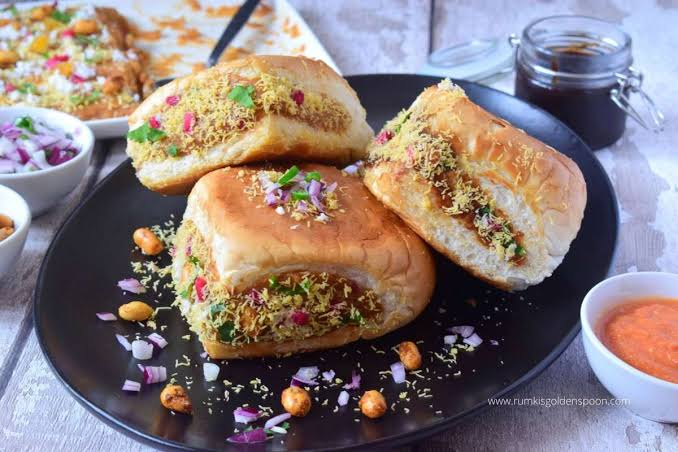
Gujarati cuisine is known for its distinctive balance of sweet, spicy, tangy, and aromatic flavors. One ingredient that brings many of these flavors together is Dabeli Masala. This fragrant spice blend is an essential part of Kutchi dabeli, a popular street food from the Kutch region of Gujarat.
At Saagar, exploring Indian cuisine means discovering the spices and regional ingredients that give traditional dishes their unique character. Learning about this flavorful masala provides an interesting look at how a carefully balanced spice blend can transform a simple snack into something memorable.
What Is Dabeli Masala?
Dabeli Masala is a traditional Gujarati spice mixture used primarily to prepare dabeli, a spiced potato filling served inside a bun. It combines several whole and ground spices to create a complex flavor profile.
The blend commonly includes coriander seeds, cumin seeds, fennel seeds, cloves, cinnamon, black pepper, dried red chilies, and other aromatic spices. Some recipes may also include coconut, sesame seeds, or additional ingredients depending on regional and family preferences.
The final mixture is usually aromatic, mildly hot, slightly sweet, and pleasantly tangy when combined with the other ingredients used in dabeli.
The Connection with Kutchi Dabeli
Dabeli originated in the Kutch region of Gujarat and has become popular throughout India. The word “dabeli” is associated with the way the spiced filling is pressed or stuffed into a bun.
The masala is central to the dish because it provides the distinctive flavor that separates dabeli masala from other potato-based snacks.
Although ready-made spice blends are widely available today, many traditional cooks still prefer freshly prepared mixtures because roasting and grinding whole spices can produce a deeper aroma.
Common Ingredients
The exact ingredients can vary, but a traditional blend often contains a combination of warm, earthy, and spicy components.
Coriander seeds provide a fresh, slightly citrusy base, while cumin contributes an earthy aroma. Fennel seeds add a subtle sweetness, and cloves and cinnamon provide warmth.
Dried red chilies contribute heat and color. Black pepper can add another layer of spice, while other ingredients may be included to create additional depth.
Some recipes use dried coconut or sesame seeds to give the blend a slightly nutty character.
The balance between these ingredients is important. The goal is not simply to make a very spicy powder but to create a rounded blend with several layers of flavor.
How Is Dabeli Masala Made?
A homemade preparation generally begins by measuring the whole spices carefully. The spices are lightly dry-roasted in a pan over low heat.
Roasting is an important step because gentle heat helps release the natural oils and aromas from the spices. They should be watched carefully to prevent burning, as overly dark spices can produce a bitter flavor.
After roasting, the spices are allowed to cool completely. They are then ground into a fine or slightly coarse powder, depending on preference.
The finished masala should be stored in an airtight container away from heat, moisture, and direct sunlight. Freshly prepared spice blends usually have a particularly strong aroma.
How Is the Masala Used?
The most traditional use is in dabeli filling. Cooked potatoes are mashed and combined with the spice blend, along with ingredients such as tamarind, dates, or other chutneys.
The seasoned potato mixture is placed inside a toasted bun and topped with ingredients such as roasted peanuts, pomegranate seeds, onions, and sev.
The masala can also be used in other savory preparations. A small amount can add flavor to potato dishes, vegetable fillings, sandwiches, chaats, or snacks.
Its versatility makes it a useful spice blend for anyone who enjoys experimenting with Indian flavors.
What Does Dabeli Masala Taste Like?
The flavor is complex rather than simply hot. Depending on the recipe, it can have earthy, warm, sweet, tangy, and mildly spicy notes.
Cumin and coriander create a savory foundation, while fennel and cinnamon contribute gentle sweetness and warmth. Chilies add heat, and cloves and black pepper provide additional depth.
When combined with chutneys and other dabeli ingredients, the spice blend becomes part of a much larger flavor profile.
Why Freshly Ground Spices Matter
Freshly roasted and ground spices can provide a stronger aroma than older packaged blends. Whole spices retain their essential oils better when stored properly and ground shortly before use.
Roasting also changes the character of many spices, making their aroma more pronounced and their flavor deeper.
However, commercially prepared masala can be convenient for everyday cooking. The choice often depends on how much time is available and the desired intensity of flavor.
Enjoying Gujarati Flavors at Saagar
Saagar offers diners an opportunity to explore the diversity of Indian cuisine, including the distinctive flavors of western India.
Dabeli and its signature spice blend represent the creativity of Gujarati street food. The combination of spiced potatoes, chutneys, peanuts, pomegranate, onions, and sev creates a contrast of textures and flavors that makes the dish particularly enjoyable.
Understanding the masala behind the dish also gives diners a greater appreciation for the carefully balanced spices used in Indian cooking.
Conclusion
Dabeli Masala is much more than a simple spice powder. It is a carefully balanced combination of aromatic spices that gives Kutchi dabeli its recognizable character.
With ingredients such as coriander, cumin, fennel, chilies, cinnamon, cloves, and black pepper, the blend brings warmth, aroma, and depth to the dish. Whether freshly prepared at home or used in traditional restaurant cooking, it demonstrates the importance of spices in Indian cuisine.
At Saagar, exploring flavors such as this offers guests a chance to discover the regional diversity and rich culinary traditions that make Indian food so distinctive.