
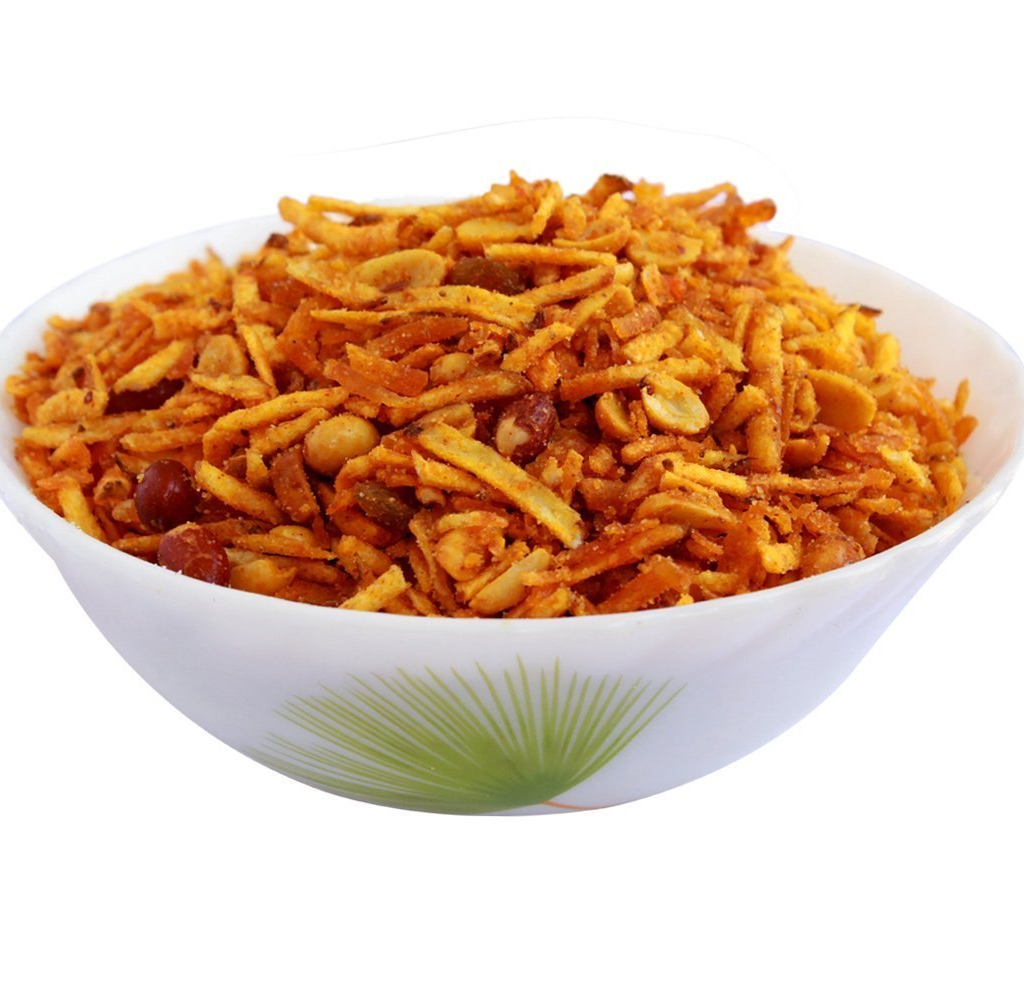
Indian cuisine has a fascinating variety of snacks, and some are prepared specifically for religious fasting and special occasions. Farali Chevdo is a popular example, combining crunchy ingredients, aromatic spices, nuts, and a subtle balance of sweet and savory flavors. It is especially enjoyed during fasting periods when regular grains and certain ingredients may be avoided.
At Saagar, exploring Indian cuisine means discovering the traditions behind both everyday dishes and festive foods. This flavorful snack offers an interesting look at how Indian cooking adapts familiar ingredients to suit different dietary traditions.
What Is Farali Chevdo?
Farali Chevdo is a crunchy snack traditionally prepared with ingredients that are considered suitable for certain Hindu fasting practices. The exact ingredients can vary depending on regional traditions and individual dietary rules.
Common ingredients may include roasted or fried potato sticks, sabudana, peanuts, cashews, raisins, coconut, and spices. Some versions use amaranth flour or other fasting-friendly ingredients.
The finished mixture is light, crunchy, mildly spicy, and sometimes slightly sweet. It can be enjoyed as a snack on its own or alongside tea.
Why Is It Called Farali?
The word “farali” generally refers to foods prepared for fasting or religious observances. During certain fasting periods, people may avoid ingredients such as regular wheat, rice, and some types of lentils.
Instead, ingredients such as potatoes, sabudana, peanuts, certain fruits, and selected flours may be used.
Fasting rules differ between communities and regions, so the ingredients considered appropriate can vary. This is why different versions of the snack may contain different combinations.
Common Ingredients
One of the appealing features of this snack is its variety of textures. Potatoes can provide a crisp base, while roasted peanuts and nuts add crunch and richness.
Sabudana, also known as tapioca pearls, is another common ingredient in fasting cuisine. When prepared properly, it can contribute a distinctive texture.
Raisins or other dried fruits can add natural sweetness, while grated coconut may provide additional richness.
Seasonings often include rock salt, cumin, green chili, black pepper, and sometimes sugar. Rock salt is particularly common in fasting recipes because it is traditionally used in place of regular table salt during many fasting practices.
How Is Farali Chevdo Prepared?
Preparation depends on the ingredients and regional style. If potatoes are used, they are usually cut into very thin strips before being fried or baked until crisp.
Peanuts and other nuts may be roasted separately to develop their flavor. Sabudana can be fried or prepared using another method depending on the recipe.
Once the individual ingredients are ready, they are combined in a large bowl. Spices, rock salt, and other seasonings are added according to taste.
The ingredients are mixed gently so that the crispy components remain intact. Some versions include a small amount of powdered sugar to create the characteristic sweet-and-savory contrast associated with many Indian snack mixes.
What Does It Taste Like?
Farali Chevdo is primarily known for its crunchy texture and balanced flavor. The nuts and crispy ingredients provide a satisfying bite, while cumin and chili add warmth.
Rock salt gives it a distinctive savory character, while sugar or dried fruit can contribute subtle sweetness.
The overall flavor can range from mildly spiced to quite lively depending on the recipe. Because there are many regional variations, no single version represents the entire tradition.
A Popular Fasting Snack
Fasting snacks are an important part of Indian culinary culture. Religious observances often involve dietary restrictions, but Indian cooking has developed countless creative recipes that make these periods both flavorful and satisfying.
Farali Chevdo is convenient because it can be prepared in advance and served in small portions throughout the day.
It is particularly associated with fasting periods such as Navratri, although the specific foods permitted during fasting can differ according to religious and family traditions.
How to Serve It
This crunchy snack can be enjoyed on its own as a quick bite. It also pairs well with hot tea or other beverages.
For a more substantial fasting snack, it can be served alongside yogurt, fruit, or other suitable foods depending on individual dietary practices.
It is also commonly packed for travel or stored at home in an airtight container. Proper storage helps preserve the crisp texture.
Farali Chevdo and Indian Food Culture
What makes fasting cuisine particularly interesting is the way traditional cooks work within dietary limitations. Ingredients that might normally be considered simple pantry staples can be transformed into flavorful snacks and meals.
This snack demonstrates that fasting food does not have to be bland or repetitive. The combination of nuts, potatoes, spices, dried fruits, and other suitable ingredients creates a dish with plenty of texture and character.
It also reflects India’s regional diversity, as recipes and fasting practices differ from one community to another.
Why Try Farali Chevdo at Saagar?
Saagar provides diners with an opportunity to explore the many regional traditions that shape Indian cuisine. Traditional snacks such as Farali Chevdo offer a different perspective on Indian food by combining culinary creativity with cultural practices.
For guests who enjoy crunchy, savory snacks, this mixture provides a satisfying combination of textures and flavors. It can be especially interesting for anyone looking to learn more about Indian fasting traditions and the foods associated with them.
Enjoyed on its own or as part of a wider selection of Indian snacks, it can add a distinctive touch to the dining experience.
Conclusion
Farali Chevdo is a flavorful Indian snack that reflects the creativity and adaptability of fasting cuisine. With crunchy ingredients, nuts, spices, and occasional touches of sweetness, it offers a satisfying combination of flavor and texture.
Its connection with religious fasting and festive periods gives it cultural significance, while its versatility has made it enjoyable beyond fasting occasions as well. At Saagar, exploring traditional snacks like this provides a delicious way to discover the diverse culinary traditions of India.