
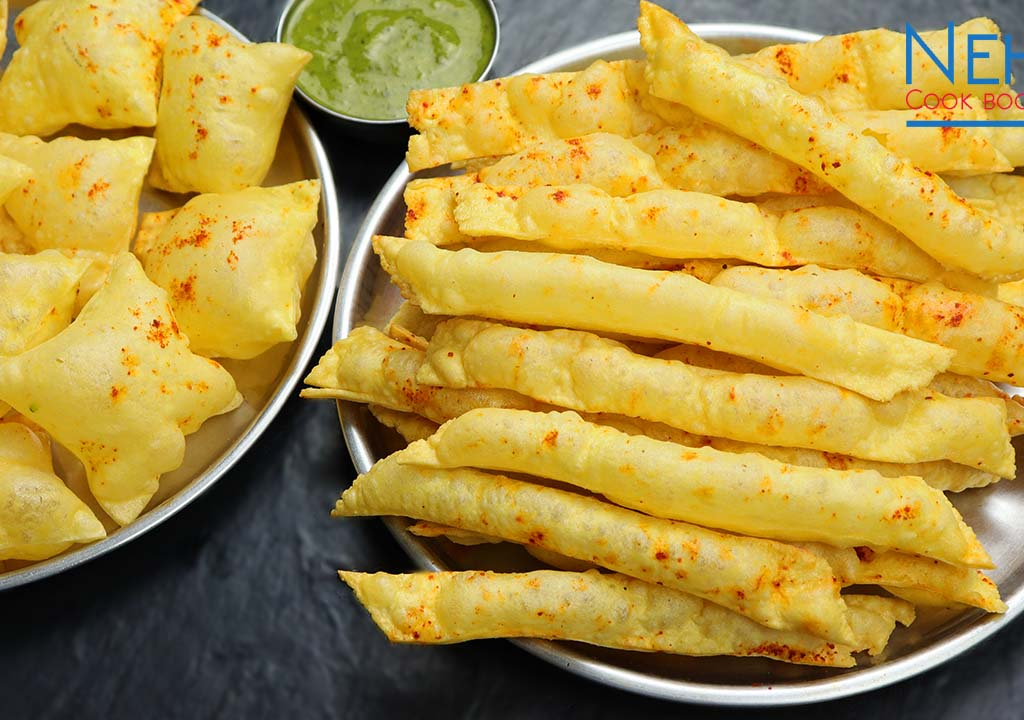
Indian cuisine is filled with snacks that combine simple ingredients with distinctive textures and regional flavors. Chorafali is a traditional Gujarati snack known for its light, crisp texture and mildly spiced flavor. Particularly popular during festive occasions, this savory treat is made from a combination of flours and spices before being rolled thin and fried until crunchy.
At Saagar, exploring Indian cuisine means discovering flavors from different regions of the country. Chorafali is a wonderful example of Gujarat’s rich snack-making tradition and offers a delicious combination of crispness, spice, and aroma.
What Is Chorafali?
Chorafali is a thin, crispy Gujarati snack traditionally prepared using gram flour and urad dal flour. The dough is seasoned with spices, rolled or stretched very thin, and then deep-fried.
The finished snack is light and crunchy, with a texture that makes it particularly enjoyable as a tea-time accompaniment or festive treat.
It is often finished with a sprinkling of red chili powder and black salt, giving it a mildly spicy, tangy, and savory character.
A Popular Gujarati Festive Snack
Chorafali is closely associated with Gujarati festive food culture. It is particularly enjoyed around Diwali and other celebrations when families prepare or purchase a variety of traditional snacks.
Gujarati households often prepare several types of farsan and snacks during festivals, and this crispy delicacy can be part of that larger assortment.
Its thin texture and distinctive appearance make it easy to serve alongside other snacks, sweets, and beverages.
Main Ingredients
The traditional preparation uses a combination of gram flour and urad dal flour. Gram flour provides the characteristic nutty flavor, while urad dal flour contributes to the texture of the dough.
Other ingredients can include salt, turmeric, chili powder, carom seeds, asafoetida, and a small amount of oil.
The dough requires enough moisture to become pliable but should remain firm enough to roll or stretch thinly.
Once fried, the pieces are usually seasoned with additional spices. Red chili powder and black salt are particularly popular choices.
How Is Chorafali Prepared?
The preparation begins by combining the flours with salt and selected spices. Water is gradually added to create a firm dough.
The dough is then kneaded thoroughly. This step is important because proper kneading helps develop the texture needed for creating thin pieces.
Small portions are taken and rolled very thin. Traditional preparation may involve stretching the dough to achieve the characteristic lightness.
The thin pieces are then carefully placed into hot oil and fried until they become crisp. Because the dough is thin, it cooks quickly and needs to be monitored closely to prevent over-browning.
After frying, the pieces are removed and allowed to drain. They can then be sprinkled with chili powder, black salt, or another preferred seasoning.
What Makes This Snack Unique?
The most noticeable feature is its texture. Properly prepared Chorafali is thin, airy, and crisp rather than dense or hard.
The combination of gram flour and urad dal flour gives it a distinctive savory flavor. The seasoning adds heat and tanginess, creating a snack that pairs well with tea or other beverages.
Its simplicity is another reason it has remained popular. A handful of basic ingredients can produce a snack with a highly recognizable texture and flavor.
When Is It Enjoyed?
Although it can be enjoyed throughout the year, Chorafali is particularly popular during festive periods.
During Diwali, Gujarati households often prepare a variety of snacks and sweets to share with guests and family members. Crispy snacks such as this one can be stored and served over several days when prepared and stored properly.
It is also suitable for casual tea-time gatherings, celebrations, and snack platters.
Serving Ideas
This Gujarati snack is usually enjoyed on its own, but it can also be paired with chutneys or other accompaniments.
Green chutney can add freshness and herbal flavor, while sweet tamarind chutney can provide a contrasting sweet and tangy note.
A hot cup of tea is another classic pairing. The crisp texture and savory seasoning complement the warmth and bitterness of tea particularly well.
For festive gatherings, it can be served alongside other Gujarati farsan and sweets to create a varied snack platter.
Why Try Chorafali at Saagar?
Saagar provides diners with an opportunity to explore the many regional traditions that make Indian cuisine so diverse. Gujarati snacks are particularly interesting because they often combine contrasting flavors and textures.
Chorafali is a great choice for guests who enjoy crispy snacks and want to discover something beyond more familiar Indian favorites. Its delicate texture, aromatic flour base, and spicy seasoning make it a distinctive addition to a traditional Indian dining experience.
Whether enjoyed as a snack, shared with friends, or paired with a warm beverage, it offers a taste of Gujarati culinary heritage.
Tips for Perfect Chorafali
The dough should be kneaded properly and rolled very thin. Thickness plays an important role in the final texture; pieces that are too thick may become dense rather than light and crisp.
Oil temperature is equally important. Oil that is not hot enough can make the snack absorb excess oil, while excessively hot oil can cause thin pieces to brown too quickly.
Once fried, the snack should be cooled completely before being stored in an airtight container. This helps preserve its crisp texture.
Conclusion
Chorafali is a traditional Gujarati snack that showcases the creativity of Indian festive cooking. Made with gram flour, urad dal flour, spices, and carefully prepared dough, it develops a light and crunchy texture when fried correctly.
Its connection with Gujarati celebrations, especially festive snack traditions, makes it more than just a simple savory treat. At Saagar, discovering regional specialties such as Chorafali allows diners to experience the diverse flavors, textures, and culinary traditions found throughout India.